


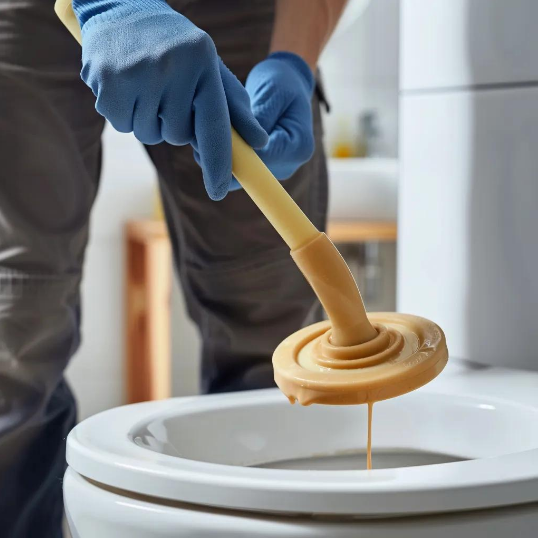
Nobody wants to deal with a clogged toilet, especially when it happens at the worst possible moment and threatens to overflow all over your bathroom floor. Yet here you are, staring at a toilet that's basically given up on life, and you need solutions that actually work before this turns into a complete disaster. The good news is that most toilet clogs can be conquered with the right approach and tools you probably already have around the house.
Ever wonder why your kitchen sink seems to clog at the worst possible moment, or why your shower drain turns into a mini swimming pool every time you wash your hair? You're not alone in this frustrating battle against blocked drains. The truth is, clogs don't just randomly appear throughout your home.
Nobody wants to deal with the frustration of blocked drains, especially when they could have been prevented with the right knowledge and habits. The truth is, most drain blockages don't happen overnight but develop gradually from everyday activities that seem harmless at the time.

Dealing with slow drains or that awful smell coming from your sink? You're not alone. Blocked drains are one of the most frustrating home problems, but the good news is that many clogs can be cleared without calling a plumber. This comprehensive guide walks you through proven DIY methods that actually work, from the simple plunger technique to using drain snakes for deeper blockages. You'll discover how everyday household items like baking soda and vinegar can tackle stubborn clogs naturally, plus learn which commercial drain cleaners are worth your money and which ones to avoid.

A small toilet leak can waste up to 200 gallons of water daily, significantly impacting both utility bills and environmental conservation efforts. These leaks typically stem from worn components like flappers and flush valves, but can be detected using simple dye tests and water meter monitoring.

Toilet leaks waste thousands of liters of water annually, stressing local resources and increasing carbon footprints. Beyond financial costs, these leaks can introduce pollutants into soil and groundwater, threatening ecosystems and human health when left unaddressed.

Running toilets waste significant water daily—minor leaks (1-2 gallons), moderate leaks (3-6 gallons), and major leaks (7+ gallons)—directly increasing water bills. Households fixing these issues report 15-45% savings on monthly bills, with regular maintenance of flappers and valves preventing costly problems.

Silent toilet leaks waste thousands of gallons monthly, potentially adding hundreds to your water bills. Learn to recognize key warning signs like water spots, running sounds, and fluctuating water levels to catch problems early and save money through simple DIY repairs or professional solutions.

Running toilets silently waste up to 200 gallons of water daily, dramatically increasing utility bills while harming conservation efforts. Learn to identify toilet leaks, fix common issues with simple DIY repairs, and implement maintenance practices that save water and money.

A single flush costs just a fraction of a cent, so unless you're someone that makes a habit out of flushing the toilet on repeat, then there won't be much of an impact on your water bill.

When you have a kitchen on wheels, then you will need gas just like any other kitchen. And caravans are no exception - in fact, many people who

Leaks can cause all sorts of problems, from ruined ceilings and walls to dangerous mould growth. And if the water leakage is not fixed in a timely manner, it can even lead to structural damage.
Get a Quote


.svg)