

Smelly drains can be a significant nuisance in any home, often indicating underlying plumbing issues that require immediate attention. Understanding the causes of these unpleasant odors is crucial for effective prevention and maintenance. This article will explore the five primary causes of smelly drains, including decomposing organic matter, grease and oils, hair accumulation, soap scum buildup, and tree roots intrusion. Additionally, we will provide expert plumbing solutions and maintenance strategies to help you keep your drains odor-free. By addressing these issues proactively, you can maintain a clean and healthy home environment.
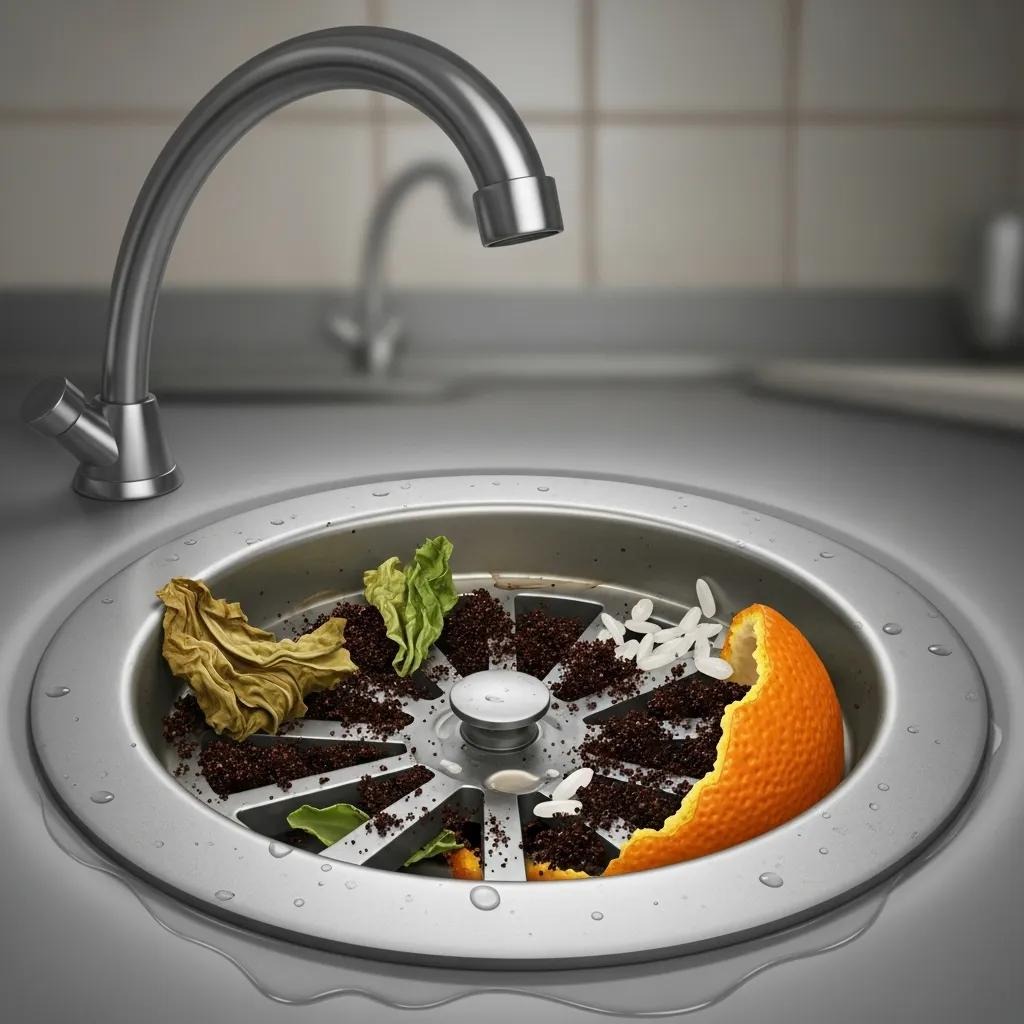
Decomposing organic matter is one of the leading causes of smelly drains. When food particles, plant debris, or other organic materials accumulate in your plumbing system, they begin to break down, producing foul odors. This process occurs due to the action of bacteria that thrive in moist environments, leading to the release of gases that contribute to unpleasant smells. To prevent this issue, it is essential to regularly clean your drains and ensure that food waste is disposed of properly.
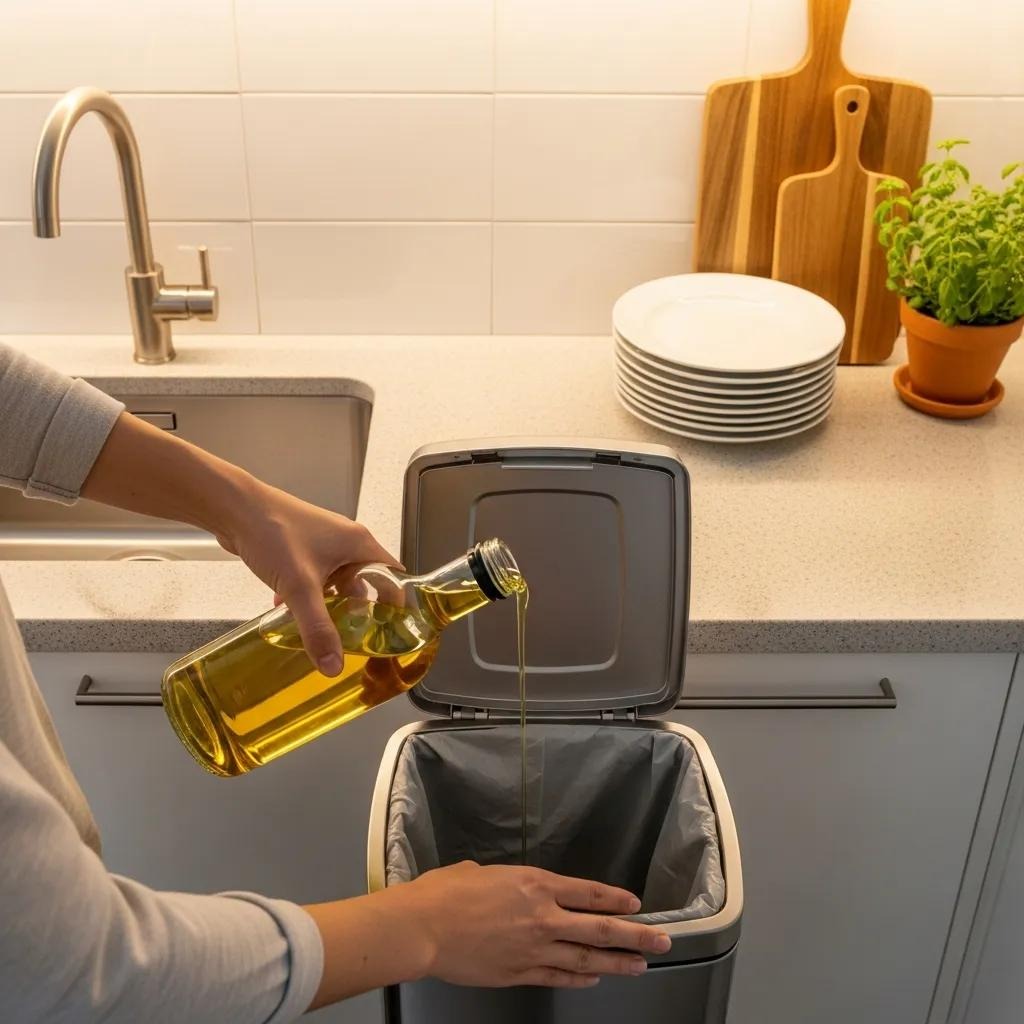
Grease and oils are notorious for causing smelly drains, particularly in kitchen sinks. When fats and oils are washed down the drain, they can solidify and cling to the interior walls of pipes, leading to blockages and odor issues. Over time, this buildup can create a breeding ground for bacteria, exacerbating the smell. To avoid this problem, it is crucial to dispose of cooking oils and grease in the trash rather than pouring them down the sink. Regularly flushing your drains with hot water can also help keep grease from accumulating.
Hair accumulation is another common culprit behind smelly drains, especially in bathrooms. Hair can easily get trapped in drain traps and pipes, leading to clogs that can produce foul odors as they decompose. To prevent hair buildup, consider using drain covers to catch hair before it enters the plumbing system. Regularly cleaning your drains and removing any visible hair can also help maintain a fresh-smelling environment.
Soap scum buildup occurs when soap residue combines with minerals in the water, creating a sticky substance that can cling to pipes and drains. This buildup can trap odors and lead to unpleasant smells emanating from your drains. To combat soap scum, it is essential to clean your drains regularly with a mixture of vinegar and baking soda, which can help break down the residue. Additionally, using liquid soap instead of bar soap can reduce the amount of scum produced.
Tree roots can intrude into your plumbing system, causing blockages and resulting in smelly drains. As roots seek moisture, they can penetrate pipes, leading to significant damage and odor issues. To prevent this, it is essential to maintain a safe distance between trees and your plumbing lines. Regular inspections can help identify any potential root intrusion before it becomes a major problem.
To effectively manage and prevent smelly drains, consider implementing the following expert plumbing solutions and maintenance strategies:
Regular drain cleaning is vital for maintaining a fresh-smelling plumbing system. It is recommended to schedule professional drain cleaning services at least once a year to remove buildup and prevent clogs. This proactive approach can help you avoid costly repairs and ensure your drains remain odor-free.
Hydro jetting is a powerful cleaning method that uses high-pressure water jets to clear stubborn clogs and buildup in your plumbing system. This technique is particularly effective for removing grease, soap scum, and other debris that can cause odors. If you are experiencing persistent drain smells, consider contacting a professional plumbing service to discuss hydro jetting options.
Research further supports the effectiveness of water jetting in maintaining clear sewer lines and preventing clogs.
Water Jetting for Sewer Cleansing & Clog Prevention
of sewer cleansing operation, we obtained some interesting information about how two variables affect it, that is jet inclination and clogging.
Water jetting for sewer cleansing. First experimental results for efficiency in non-cohesive sediment removal, 2007
Routine plumbing inspections can help identify potential issues before they escalate into significant problems. During these inspections, plumbers can check for signs of clogs, leaks, and root intrusion, ensuring your plumbing system remains in optimal condition. Regular inspections can save you time and money in the long run.
Proper waste disposal is crucial for preventing smelly drains. Be mindful of what you put down your sinks and toilets, avoiding items like grease, coffee grounds, and non-biodegradable materials. Educating your household about proper disposal methods can significantly reduce the risk of drain odors.
In the event of a plumbing emergency, such as a severe clog or leak, it is essential to act quickly. Contact a professional plumbing service immediately to address the issue and prevent further damage. For urgent plumbing needs, you can reach out to Mitchell Plumbing and Gas at 07 3733 3622 or via email at enquiry@mitchellplumbinggas.com.
By understanding the causes of smelly drains and implementing these expert solutions, you can maintain a clean and odor-free plumbing system. Regular maintenance and proper disposal practices are key to preventing unpleasant odors and ensuring the longevity of your plumbing infrastructure.

A hot water heater is a household appliance designed to heat and maintain water at a set temperature for daily use in showers, taps, and appliances. When choosing the right hot water heater to buy, there are several main steps to consider: selecting the right size, picking the type of hot water system, checking energy efficiency ratings, comparing installation costs, and understanding ongoing maintenance needs. Each of these steps helps ensure you get a hot water system that meets your household's needs while being cost-effective to run.

Hot water heater leaking can indicate serious problems from tank corrosion to valve failures. Learn the warning signs and immediate steps to take.
%20Hot%20Water%20System-%20Supply%20and%20Installation%20in%20Brisbane.webp)
At Mitchell Plumbing & Gas, we understand that having reliable hot water is essential for your large family home. Our 315L hot water systems are perfect for homes with 4-6 people, giving you plenty of hot water for multiple bathrooms and appliances running at the same time.
Get a Quote


.svg)
