
Drain inspection is a critical aspect of plumbing that ensures the integrity and functionality of drainage systems. Plumbers utilize various specialized equipment to diagnose issues within pipes, helping to prevent costly repairs and maintain efficient drainage. This guide explores the essential drain inspection equipment used by plumbers, detailing their functions, benefits, and the technology behind them. Readers will learn about the different types of equipment, how they work, and the advantages of using advanced tools in plumbing diagnostics. Understanding these tools can help homeowners and businesses make informed decisions about their plumbing needs.
Plumbers rely on several types of drain inspection equipment to assess the condition of drainage systems effectively. The main types include:
Each of these tools plays a vital role in ensuring that plumbing systems function correctly and efficiently.
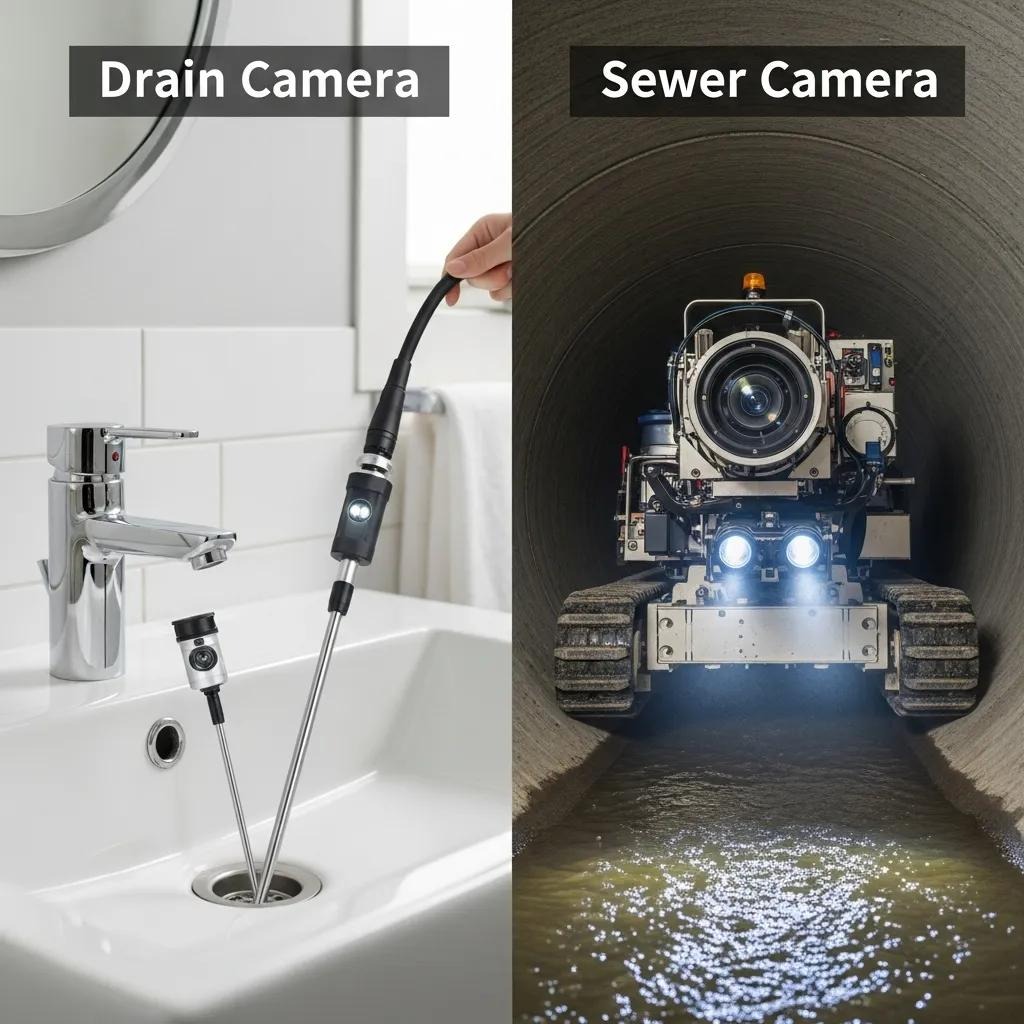
Drain cameras and sewer cameras serve similar purposes but are designed for different applications. Drain cameras are typically used for smaller residential pipes, providing high-resolution images to identify issues like blockages or corrosion. In contrast, sewer cameras are built to handle larger pipes and can navigate through more complex sewer systems. They often come equipped with features that allow for better maneuverability and enhanced imaging capabilities, making them essential for thorough sewer inspections.
Pipe locators and sonar tools are crucial for identifying the location and depth of underground pipes. Pipe locators use electromagnetic signals to trace the path of pipes, helping plumbers avoid damaging existing infrastructure during repairs. Sonar tools, on the other hand, utilize sound waves to detect the presence of pipes and assess their condition. These tools minimize excavation needs and provide accurate information about the plumbing layout, which is essential for effective repairs.
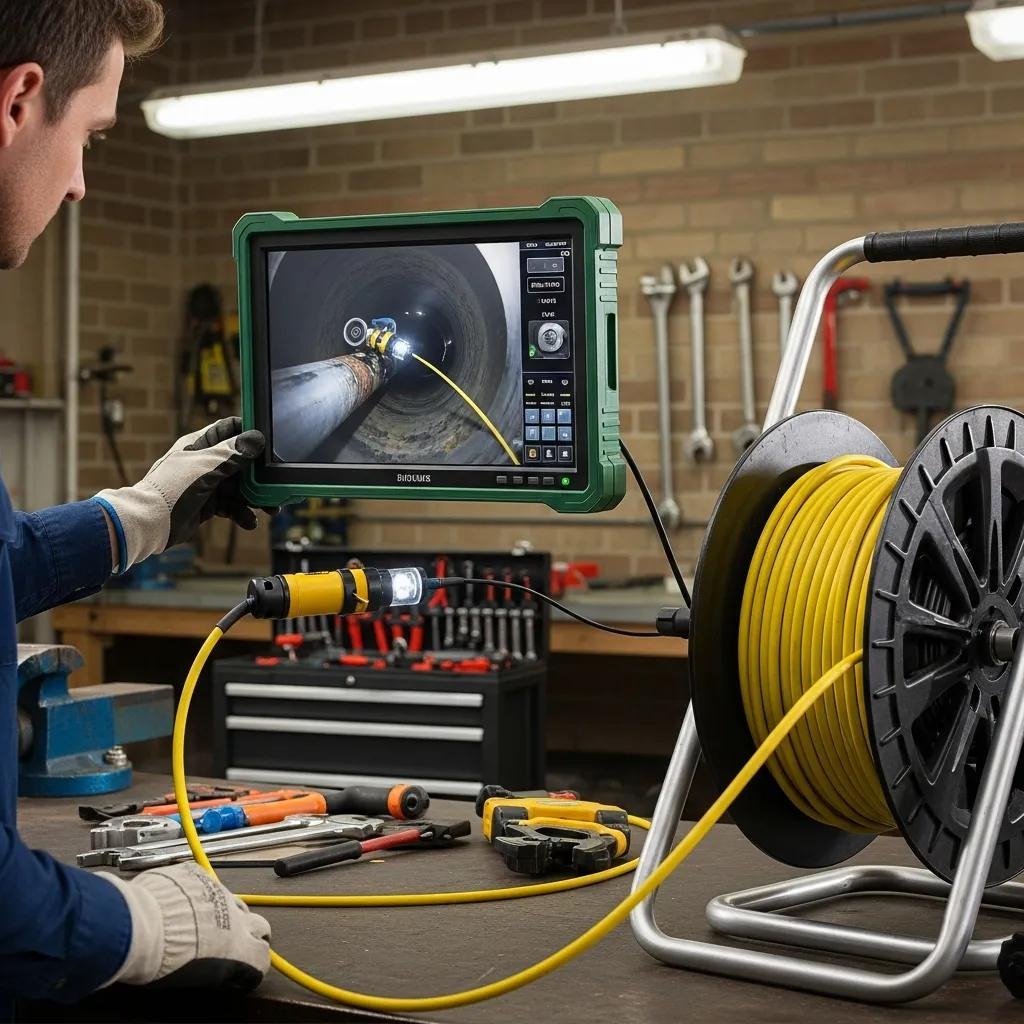
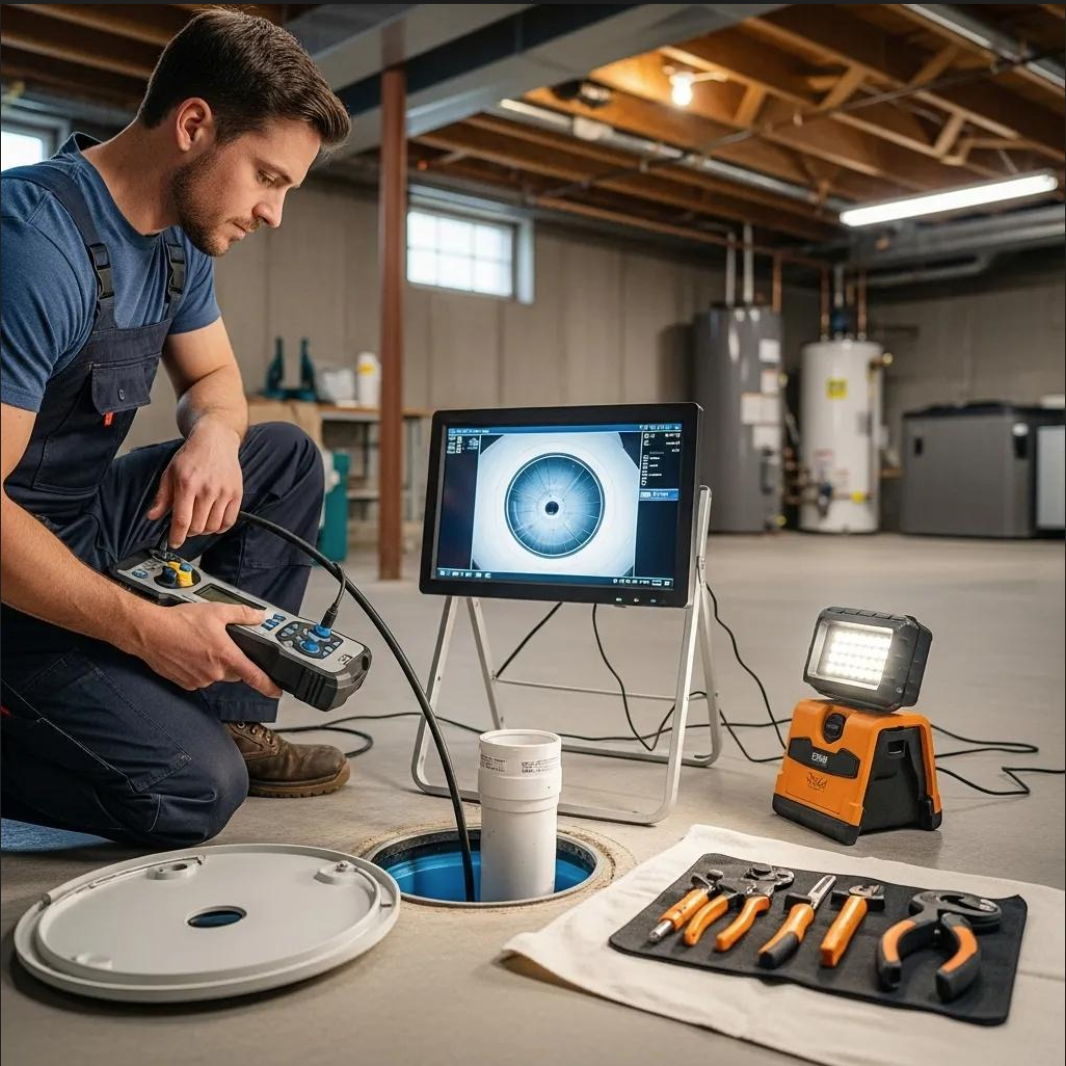
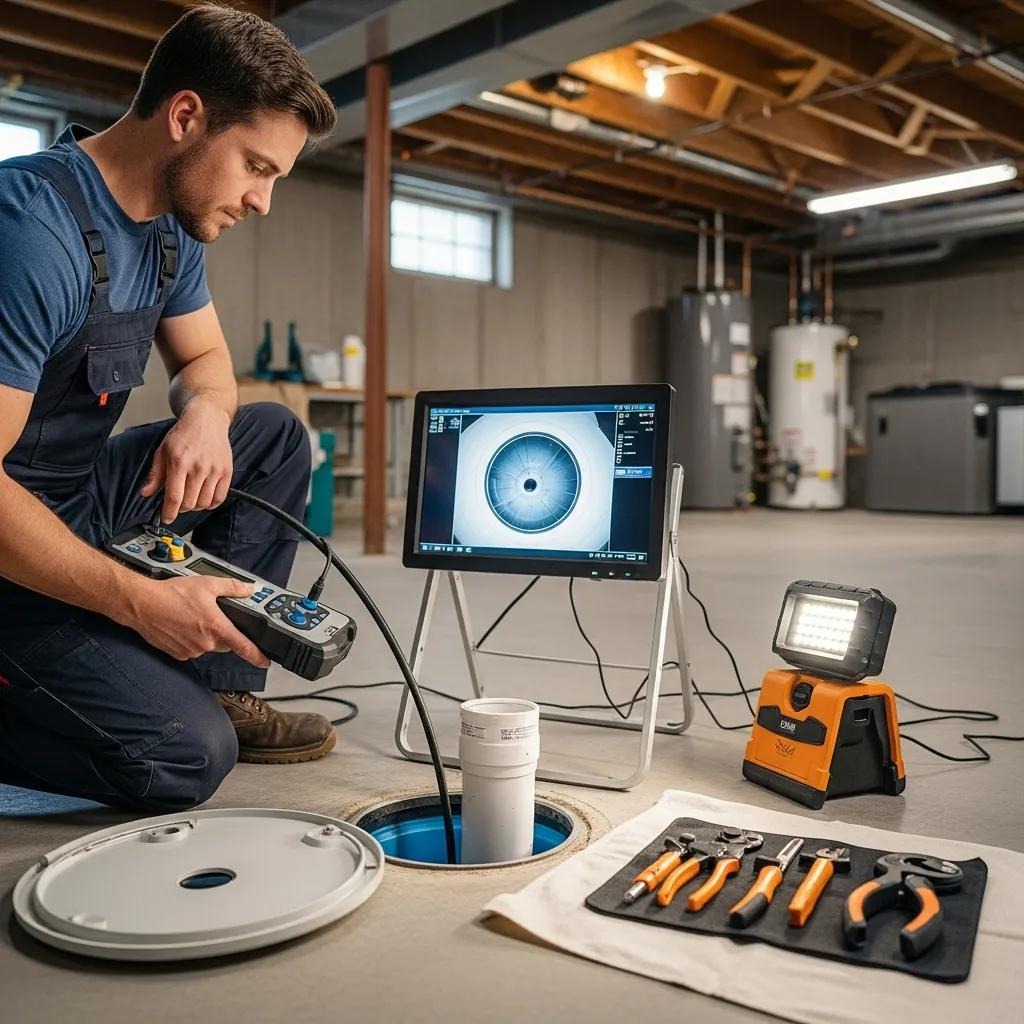
Video pipe inspection technology employs high-definition cameras mounted on flexible cables that can be inserted into pipes. As the camera moves through the plumbing system, it transmits real-time video footage to a monitor, allowing plumbers to visually inspect the interior of the pipes. This non-invasive method provides detailed insights into the condition of the plumbing, enabling accurate diagnoses and targeted repairs without unnecessary digging.
The process of using drain cameras for pipe inspection involves several key steps:
This method significantly reduces the time and cost associated with traditional inspection techniques.
Video inspection tools detect leaks and blockages by providing a visual examination of the pipe interiors. The high-resolution footage allows plumbers to see the exact location and nature of the problem. Additionally, some advanced video inspection systems incorporate acoustic leak detection and thermal imaging, enhancing their ability to identify issues that may not be visible through standard video alone. This multi-faceted approach ensures that all potential problems are addressed promptly and effectively.
Using advanced drain inspection equipment offers several benefits for plumbing services:
This table highlights the distinct features and benefits of various drain inspection equipment, emphasizing their importance in effective plumbing diagnostics.
Video pipe inspection significantly improves plumbing repair accuracy by providing detailed visual information about the condition of pipes. This technology allows plumbers to pinpoint the exact location of issues, such as blockages or leaks, leading to more targeted and effective repairs. By eliminating guesswork, video inspections reduce the likelihood of repeated visits and unnecessary repairs, ultimately saving time and resources.
Trenchless pipe inspection technology is becoming increasingly preferred due to its non-invasive nature. This method allows plumbers to inspect pipes without the need for extensive digging, preserving landscaping and reducing disruption to properties. Additionally, trenchless technology is often more cost-effective, as it minimizes labor and restoration costs associated with traditional excavation methods. The enhanced accuracy and efficiency of trenchless inspections make them a popular choice among plumbing professionals.
Mitchell Plumbing and Gas offers a range of drain inspection services in Brisbane, including:
These services ensure that both residential and commercial clients receive high-quality plumbing solutions tailored to their needs.
In Brisbane, emergency drain inspection solutions provided by Mitchell Plumbing and Gas include:
These emergency services are designed to address urgent plumbing issues promptly, ensuring minimal disruption to clients.
Customers can book reliable drain inspection services by contacting Mitchell Plumbing and Gas directly. They offer a straightforward process for arranging inspections, including:
This streamlined process ensures that customers receive prompt and professional service tailored to their plumbing needs.
Common questions regarding drain inspection equipment and services include:
These FAQs provide valuable insights into the processes and technologies used in drain inspections.
Plumbers use various equipment to inspect drains, including:
Understanding the costs associated with these tools helps customers appreciate the investment in quality plumbing services.
Yes, drain cameras can effectively detect leaks by providing visual access to the interior of pipes. They allow plumbers to identify the exact location of leaks, facilitating timely repairs. For those interested in DIY inspections, rental options for drain cameras are available at various equipment rental companies, typically ranging from $50 to $150 per day, depending on the model and features.

There's nothing quite like a toilet problem to completely disrupt your day. Whether it's the frustrating sound of water constantly running, a stubborn clog that won't budge, or a mysterious puddle forming around the base, toilet issues have a way of demanding immediate attention, usually at the most inconvenient times.
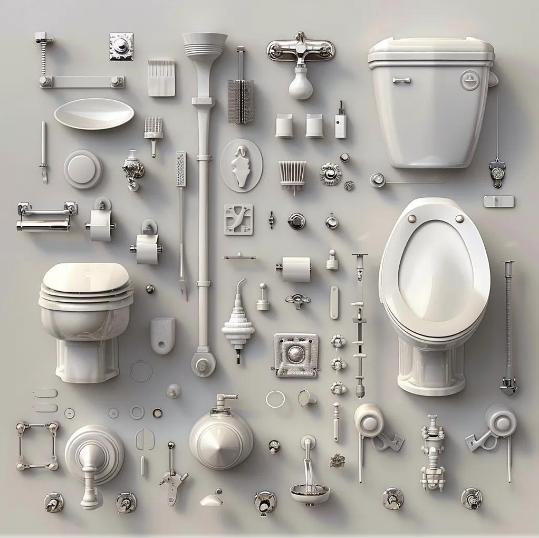
When your toilet starts acting up, knowing what's happening inside can save you time, money, and a lot of frustration. Ever wondered why your toilet keeps running, or what that mysterious gurgling sound means?

It's not the end of the world, but you might wish it was when your ceiling starts to leak. How much does it cost to fix a leaking pipe in the ceiling?
Get a Quote


.svg)
