

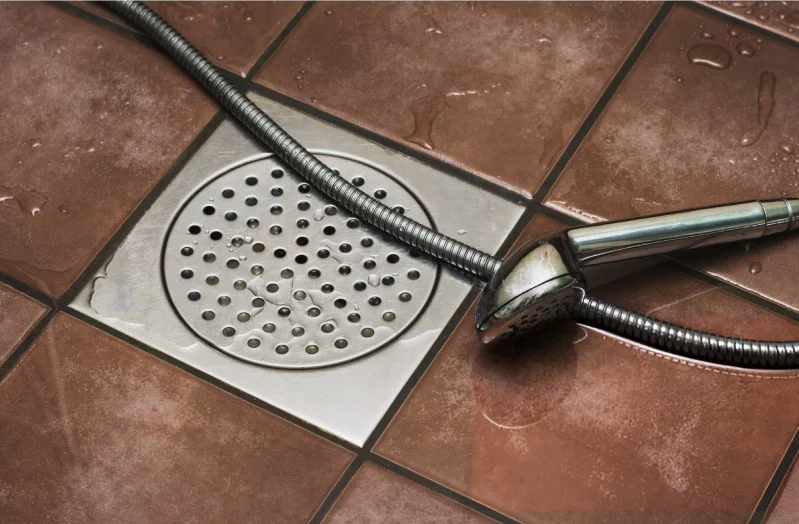
A slow or blocked shower drain is one of the most common household headaches. It slows water, creates odours, and can lead to water damage if ignored. This guide walks you through safe, practical steps: simple home fixes, useful DIY tools, and the signs that mean it's time to call in a pro. You'll learn why clogs form, how popular treatments work (baking soda and vinegar, plunging, snaking), and which routines prevent repeat problems. Mitchel Plumbing and Gas shares straightforward advice so homeowners can confidently tackle minor blockages while understanding when professional diagnostics and repairs are the safer choice.
We present Mitchel Plumbing and Gas as a hands-on, safety-first source. Their guidance explains when professional-grade tools or inspections outperform home methods and balances do-it-yourself options with clear warnings about risks and when to request expert help.
Clogs happen when material builds up enough to slow or stop water flow. Usually this is organic debris, mineral scale from hard water, or a foreign object. Hair ties itself into tangles, soap scum binds with body oils to form slippery sheets, and minerals can coat the pipe and narrow the passage over time. Identifying the main cause helps you pick the right fix. Mechanical clearing works best on organic blockages, while scale often needs scraping or professional descaling. Watch for persistent slow drainage, gurgling sounds, or standing water to decide between a DIY attempt and calling a plumber.
Common culprits include:
Knowing these causes leads us to a closer look at how hair and soap scum team up to form the most frequent clogs.
Hair and soap scum are the top offenders because hair creates a framework that captures soap residue and oils. As water runs, strands loop and snag on edges or small pipe defects, and soap scum, made of fatty compounds and minerals, sticks to the hair. Over weeks this builds into a dense mat that traps grit and small debris, accelerating the blockage. A simple hair catcher plus routine removal breaks that cycle and reduces the need for deeper mechanical cleaning.
This mechanical buildup often looks similar to blockages caused by minerals or trapped objects, but those problems call for different fixes.
Hard water leaves mineral deposits (calcium and magnesium) that roughen pipe walls and make soap residue stick more firmly. That scale narrows the pipe so even small amounts of hair or grime become problematic. Small objects, like toy pieces, beads, or hygiene items, can lodge at bends or in the P-trap and act as anchors for more buildup, turning a minor issue into a major clog. White, chalky residue usually points to mineral scale; visible items or sudden total blockage suggest a foreign object and need targeted removal.
Once you recognise the likely cause, choose the DIY approach that matches it. The next section describes the best home methods and when to escalate.
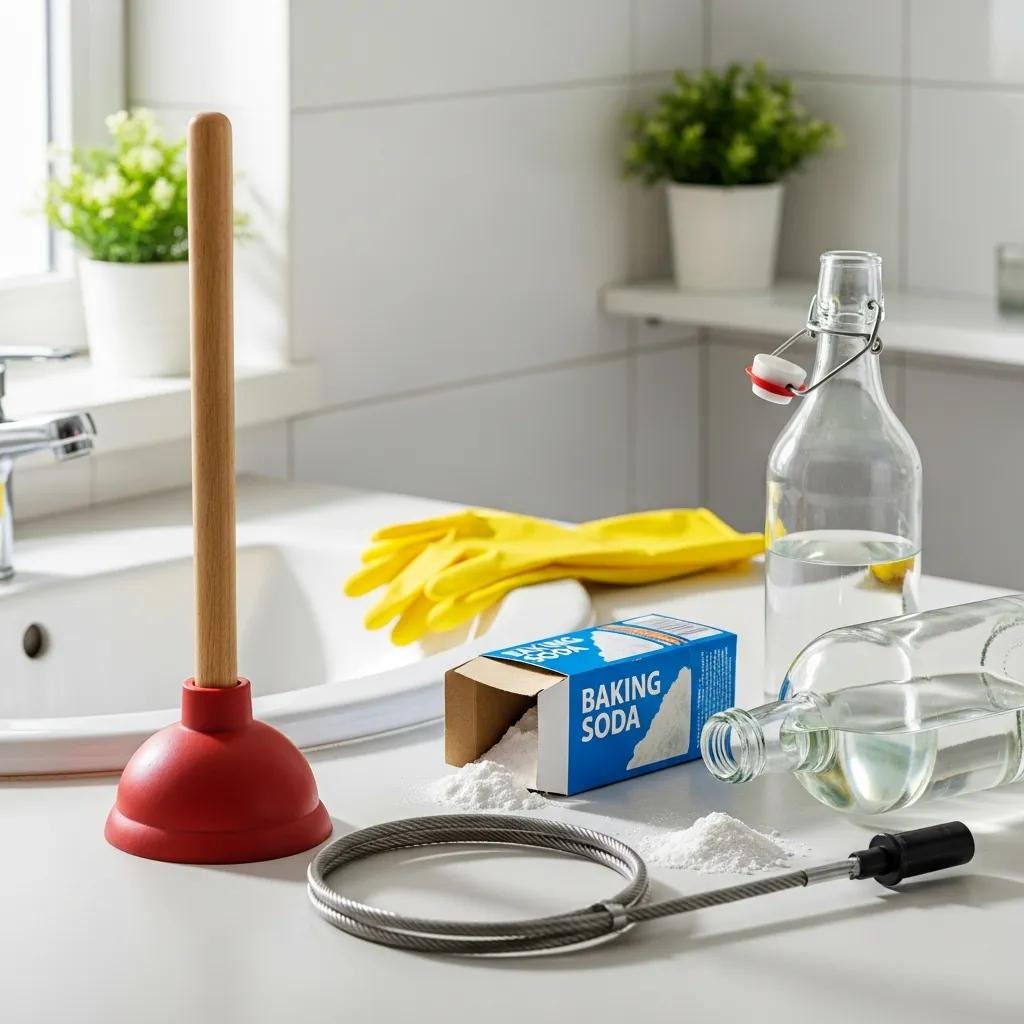
DIY options range from a simple hot-water rinse to mechanical extraction. The easiest, safest methods, such as a hot water flush, baking soda and vinegar, and plunging, work well for hair and soap scum near the surface. If those fail, manual tools like a straightened hanger or a hand snake can pull out trapped debris, but you need to be careful not to push the clog deeper or damage seals. Below we compare the top home methods and give step-by-step guidance for the most effective natural option, plus troubleshooting tips if your first attempt doesn't do the job.
Try these in order of simplicity and safety:
If those steps don't restore flow, a manual retrieval tool or snake is the next escalation; that is covered in the advanced tools section.
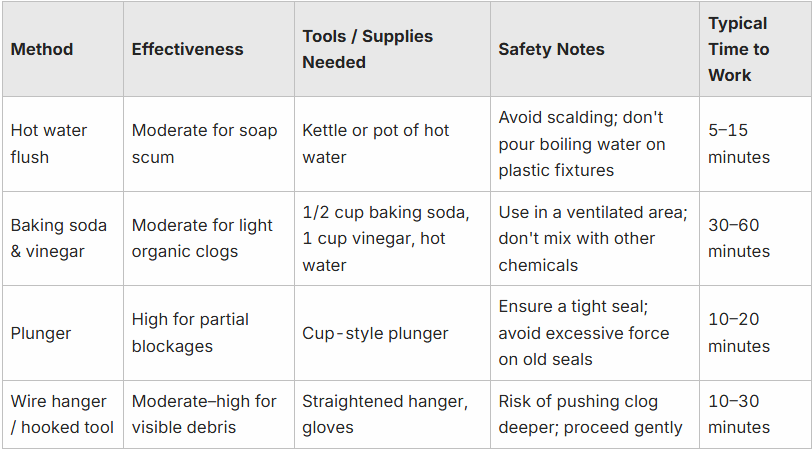
Comparison overview: The table below summarises common DIY methods by effectiveness, difficulty, supplies, safety notes, and typical time so you can choose the right approach for your clog.
This method uses a simple chemical reaction to stir up and loosen light organic material. Pour about 1/2 cup baking soda into the drain, follow with roughly 1 cup white vinegar, and plug the drain for 20–30 minutes so the fizzing can work. Afterward, flush with several litres of hot water to rinse away loosened residue and check the flow. It's effective for early-stage soap scum and loose hair but won't clear deep, compacted mats or heavy mineral scale; repeat once if needed and stop if there's no improvement.
For a quick reference on the baking soda and vinegar method, consider this straightforward advice:
DIY Drain Unclogging with Baking Soda & Vinegar
Pour about half a cup of baking soda into the drain, add roughly a cup of white vinegar, cover the drain, wait 20–30 minutes, then flush with hot water.
If baking soda and vinegar don't restore normal flow, try proper plunger technique next before moving to mechanical snakes.
A plunger is often the fastest fix for minor clogs when used correctly. Use a cup-style plunger (not a toilet flange plunger), add enough water to create a seal around the cup, then make 8–12 firm pumps while keeping the seal. Finish with a sharp pull to break the seal and dislodge debris. Repeat a couple of cycles, then flush with hot water to move cleared material away. If plunging doesn't help after several tries, avoid excessive force. Repeated hard plunging can damage seals, so consider a manual snake or professional help.
This safe escalation, chemistry, suction, then mechanical tools, leads into advanced DIY devices, which we cover next with a compact comparison table.
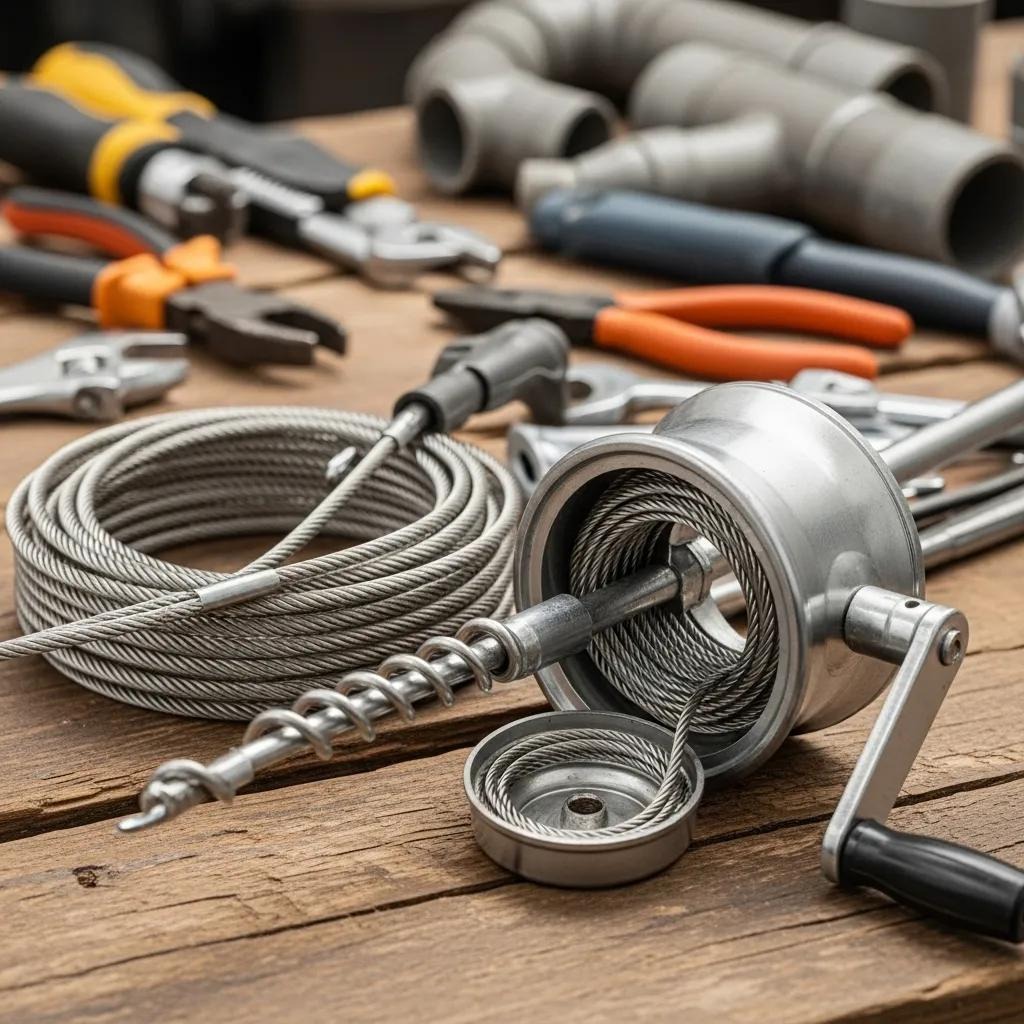
Advanced DIY tools like manual drain snakes and small augers extend the reach past the trap and can grab or break up clogs that simpler methods won't touch. These tools use a flexible cable that feeds through pipe bends. Rotating the cable threads into hair mats or breaks them apart for extraction. They work well for deeper clogs but can push obstructions farther in or damage pipe walls if mishandled, so move slowly and stop if you feel solid resistance. Knowing each tool's reach, best uses, and risk level helps you decide when to continue at home and when to call a professional with powered equipment and diagnostics.
Below is a compact comparison of common advanced DIY tools to guide safe selection and highlight when to stop and call in expert help.
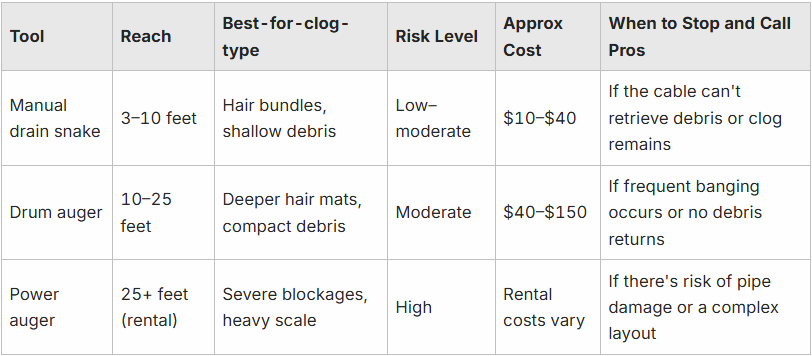
This table helps you match a tool to the problem while flagging limits beyond which professional equipment or expertise is safer and more effective.
Using a manual snake correctly reduces the chance of pushing a clog deeper or scoring pipe walls. Wear gloves and eye protection, feed the cable in slowly until you feel resistance, then rotate gently clockwise while applying steady forward pressure to engage the clog. When movement loosens, retract slowly while keeping the rotation to pull material out. Never force the cable through solid resistance, and clean the cable after use to avoid reintroducing grime. If the cable keeps snagging without bringing debris back, stop and get a professional assessment to avoid making things worse or damaging your pipes.
Chemical drain cleaners should be a last resort for organic clogs that can't be removed mechanically. Prefer enzyme-based or mild caustic products for organic residue and always follow strict safety steps: gloves, eye protection, good ventilation, and never mix chemicals or use them right after snaking. Strong caustics can damage older metal pipes and some PVC joints with repeated use, and they come with environmental disposal concerns. If a chemical cleaner fails or you suspect scale or a complex blockage, stop DIY attempts and consult a professional.
Call a professional plumbers when signs point to a severe or systemic issue beyond safe DIY repair. This includes multiple fixtures draining slowly, sewage odours, water backing up into other drains, or recurring clogs despite proper DIY attempts. Pros can run diagnostics, use high-reach augers, and perform thorough cleaning that addresses root causes like scale or hidden objects, which reduces the chance of recurrence. Trying stronger chemicals or aggressive mechanical methods risks pipe damage; professional service lowers long-term repair risk and delivers a reliable outcome. Mitchel Plumbing and Gas offers full drain-unblocking and cleaning services and practical prevention advice when DIY methods have been exhausted or the clog suggests a bigger problem.
When DIY efforts fail repeatedly or symptoms suggest a system-wide problem, professional service is the safest, most cost-effective next step.
Red flags for a severe blockage include several drains slowing or backing up at once, a persistent sewage smell, visible water backing up from the shower or nearby fixtures, and repeated clogs after DIY fixes. These signs often point to a main-line issue, a broken pipe, or heavy scale, problems that require camera inspection or powered cleaning by a professional.
Ignoring these indicators risks water damage, mould, and larger repair bills. Early professional assessment prevents emergencies and helps you choose the right fix sooner.
DIY attempts carry real risks. You could push clogs deeper into the system, damage pipe walls or seals with the wrong tools, suffer chemical burns or inhale toxic fumes from misused cleaners, and end up paying repeatedly for temporary fixes that don't solve the real problem. Mechanical tools can snag traps and joints, while repeated use of harsh chemicals can corrode metal pipes and weaken plastic joints. Beyond property damage, mishandling hazardous products can cause personal injury or environmental harm. Weigh these risks against professional options when DIY methods stall.
Prevention combines simple habits, protective devices, and light maintenance. Regularly removing trapped hair, doing a monthly hot-water flush, and using an enzyme cleaner occasionally all reduce organic buildup. Installing a quality drain cover stops most hair at the source. Address hard water scale proactively. Consider a water softener or professional descaling when scale appears. A predictable maintenance routine and small preventive investments go a long way toward avoiding emergency calls and extending pipe life.
Prevention checklist: Here are some high-impact, easy-to-adopt actions that reduce how often you get clogs and protect your plumbing.
These low-effort steps have a big payoff and keep small issues from turning into major repairs.
Small daily and weekly habits make the biggest difference. Catch hair before it enters the drain, clear away visible debris, and run a weekly hot-water flush to dislodge light build-up. Choose a durable mesh or silicone hair catcher that fits your drain and an enzyme-based cleaner for monthly maintenance to biodegrade residues without corrosive chemicals. Simple behaviour changes, like drying the shower floor and removing loose items, prevent material from entering the drain. Consistency keeps maintenance quick and dramatically cuts down on stubborn clogs.
Drain covers are your first defence: they catch hair and larger debris that would otherwise travel into the trap. Options include mesh, dome, and silicone covers, each with trade-offs in capacity and ease of cleaning. Regularly clean both the cover and the drain opening so residues don't dry and bond, and occasionally remove and inspect the P-trap for hidden items that trigger repeated blockages. The cost-benefit is strong. Inexpensive covers and a short monthly cleaning routine prevent disruptive clogs and reduce repair or professional intervention costs. These small measures prolong pipe life and keep maintenance predictable instead of emergency-driven.
A consistent prevention plan supports DIY success and reduces the need for professional services.
This FAQ answers some quick, common questions homeowners ask when they're facing a blocked shower drain. The short, actionable responses help you take safe first steps and recognise when it's time to call in the pros. They focus on the most useful home remedy and explain what professional plumbers do differently.
For light clogs, the most reliable home remedy is the baking soda and vinegar sequence followed by a hot-water flush. Use 1/2 cup baking soda, about 1 cup white vinegar, cover the drain for 20–30 minutes, then flush with several litres of hot water. It combines fizzing agitation with thermal rinsing to loosen residues, is safe for most modern pipes, and is more eco-friendly than harsh caustics. It won't clear heavy hair mats or hard mineral scale. If the drain is still slow after two attempts, move to mechanical retrieval or call a professional.
When you call Mitchel Plumbing and Gas for persistent or severe drain problems, technicians start with diagnostics to locate the clog and identify its type. They then choose the safest, most effective method, whether that's mechanical extraction, powered augering, or targeted cleaning, based on what they find. Their process focuses on preventing unnecessary pipe stress and reaching obstructions that DIY tools can't. After clearing the clog, they explain preventative steps tailored to your system so you know how to avoid repeat issues. The goal is a lasting repair plus practical advice you can use at home.

When you have a kitchen on wheels, then you will need gas just like any other kitchen. And caravans are no exception - in fact, many people who

When considering the installation of a heat pump hot water system in your Brisbane home, one question that often surfaces is: Are these systems noisy? It's a valid concern for homeowners and one that Mitchell Plumbing and Gas takes seriously, as the comfort of your home environment is paramount. In this article, we'll explore the noise levels of heat pump hot water systems, factors that influence these levels, and how they compare to traditional water heating solutions.

Tired of dealing with slow drains and mysterious blockages that keep coming back? Understanding what actually causes these problems is the first step to preventing them. Most blocked drains aren't random occurrences but result from everyday habits that gradually build up trouble over time. From grease and food waste that solidify in kitchen pipes to hair and soap scum creating stubborn bathroom clogs, each type of blockage has specific causes and solutions.
Get a Quote


.svg)
