

Blocked stormwater drains can lead to significant issues, including flooding and environmental damage. Understanding the causes of these blockages is essential for effective prevention and maintenance. This article will explore the common causes of blocked stormwater drains, the signs that indicate a blockage, and effective prevention techniques. By addressing these issues proactively, homeowners and municipalities can mitigate the risks associated with drainage obstructions. We will also discuss the best inspection and cleaning methods to ensure stormwater systems function optimally, as well as the environmental impacts of blockages and the importance of regular maintenance.
Stormwater drain blockages can arise from various factors, primarily involving debris accumulation, tree root intrusion, and sediment buildup. These elements can obstruct the flow of water, leading to flooding and other drainage issues. Understanding these causes is crucial for effective management and prevention strategies.
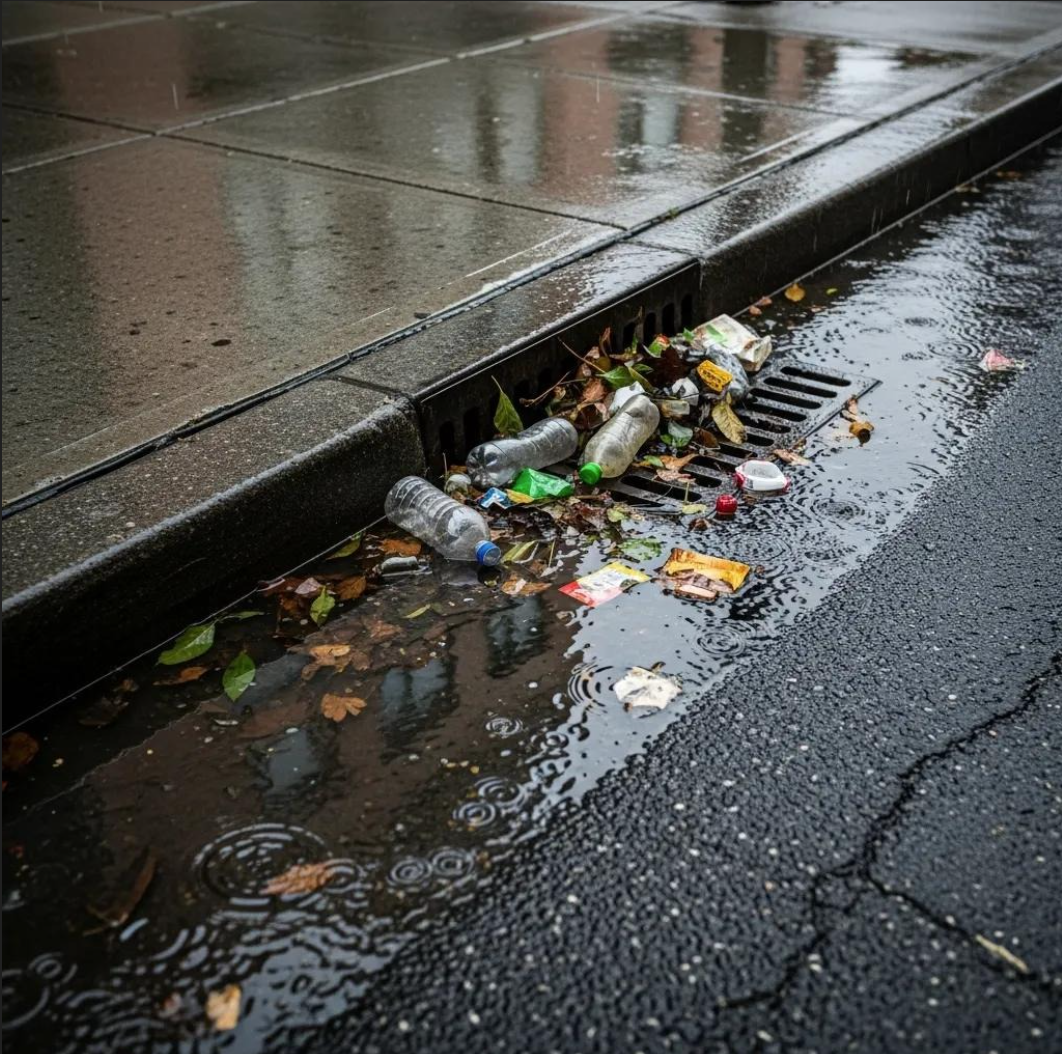
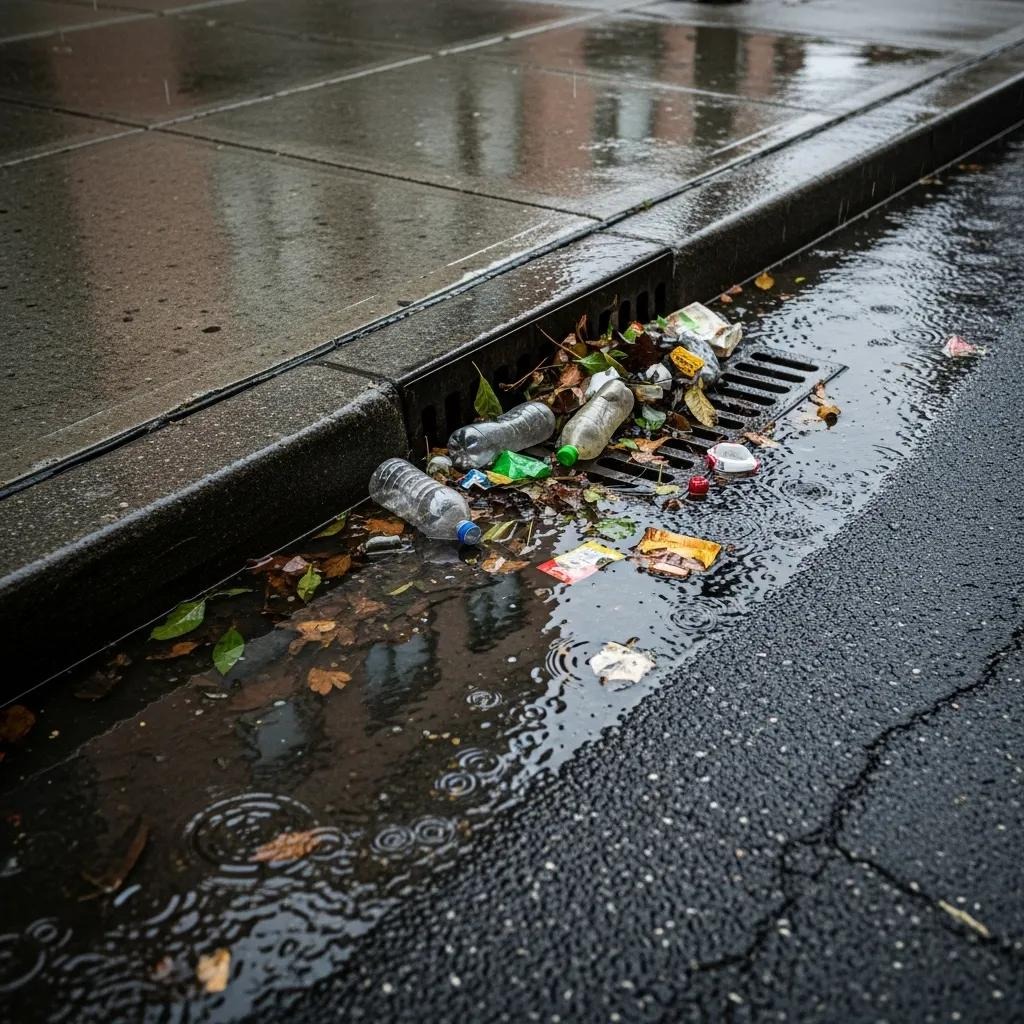
Debris accumulation is a significant contributor to stormwater drain blockages. Common types of debris include leaves, plastic waste, and other organic materials that wash into the drainage system during rainfall. Sediment buildup, often from soil erosion and urban runoff, can also clog drains. This accumulation can restrict water flow, leading to overflow and potential flooding in urban areas. Regular cleaning and maintenance are essential to prevent these materials from causing blockages.
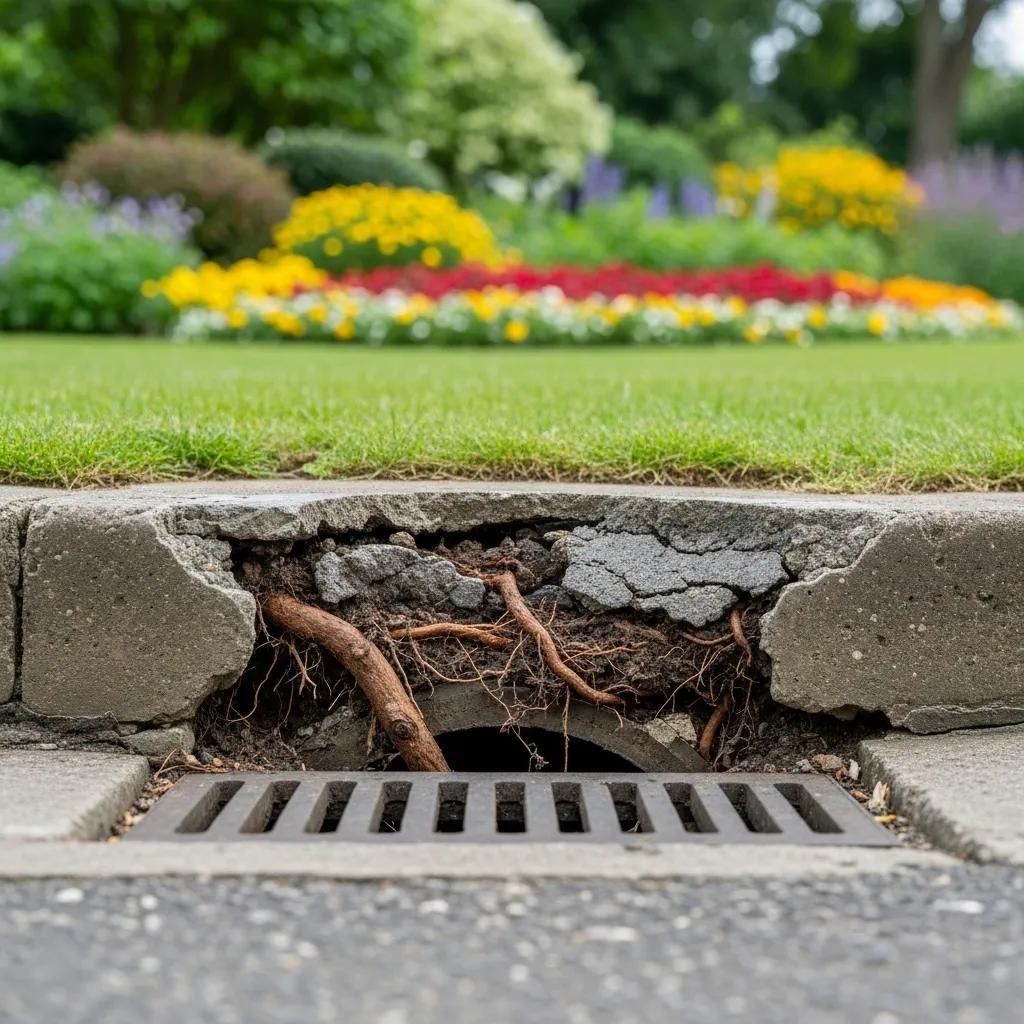
Tree roots can cause severe drainage obstructions as they seek moisture and nutrients from the soil. Certain tree species, such as willows, poplars, and maples, are particularly notorious for their aggressive root systems. These roots can infiltrate drainage pipes through joints or cracks, causing blockages and structural damage. The consequences of root intrusion can be costly, leading to extensive repairs and potential damage to surrounding infrastructure. Homeowners should consider root barriers and regular inspections to mitigate this risk.
Identifying the signs of a blocked stormwater drain early can prevent more severe issues down the line. Homeowners should be vigilant for visible signs of blockage, unusual drainage patterns, and unpleasant odors emanating from the drains.
Homeowners can spot early warning signs of blockages by observing their drainage systems. Common indicators include slow drainage, pooling water in yards or streets, and gurgling sounds from the drains. Regular inspections and maintenance can help identify these issues before they escalate into more significant problems. If these signs are noticed, it may be time to consult a professional for further assessment.
Environmental effects can also signal drainage problems. For instance, flooding in surrounding areas, water quality issues, and negative impacts on local ecosystems can all stem from blocked stormwater drains. These issues not only affect property but can also harm wildlife and plant life in the vicinity. Understanding these environmental indicators is crucial for effective stormwater management.
Preventing storm drain blockages requires a proactive approach that includes regular maintenance practices, debris management strategies, and root intrusion prevention techniques. By implementing these strategies, homeowners and municipalities can significantly reduce the risk of blockages.
To avoid common blockages, regular maintenance is essential. Homeowners should consider the following tips:
These practices can help maintain clear drainage pathways and prevent blockages.
Several techniques can effectively reduce debris and root intrusion in stormwater drains:
Implementing these techniques can significantly enhance the effectiveness of stormwater management.
Effective inspection and cleaning methods are vital for maintaining stormwater drains. Utilizing modern technologies can enhance the efficiency of these processes.
Modern inspection techniques, such as CCTV inspections, allow for thorough examination of stormwater drains without invasive methods. These technologies can identify blockages, cracks, root intrusion, and other issues within the drainage system. Regular inspections using these methods can help maintain the integrity of stormwater systems and prevent costly repairs.
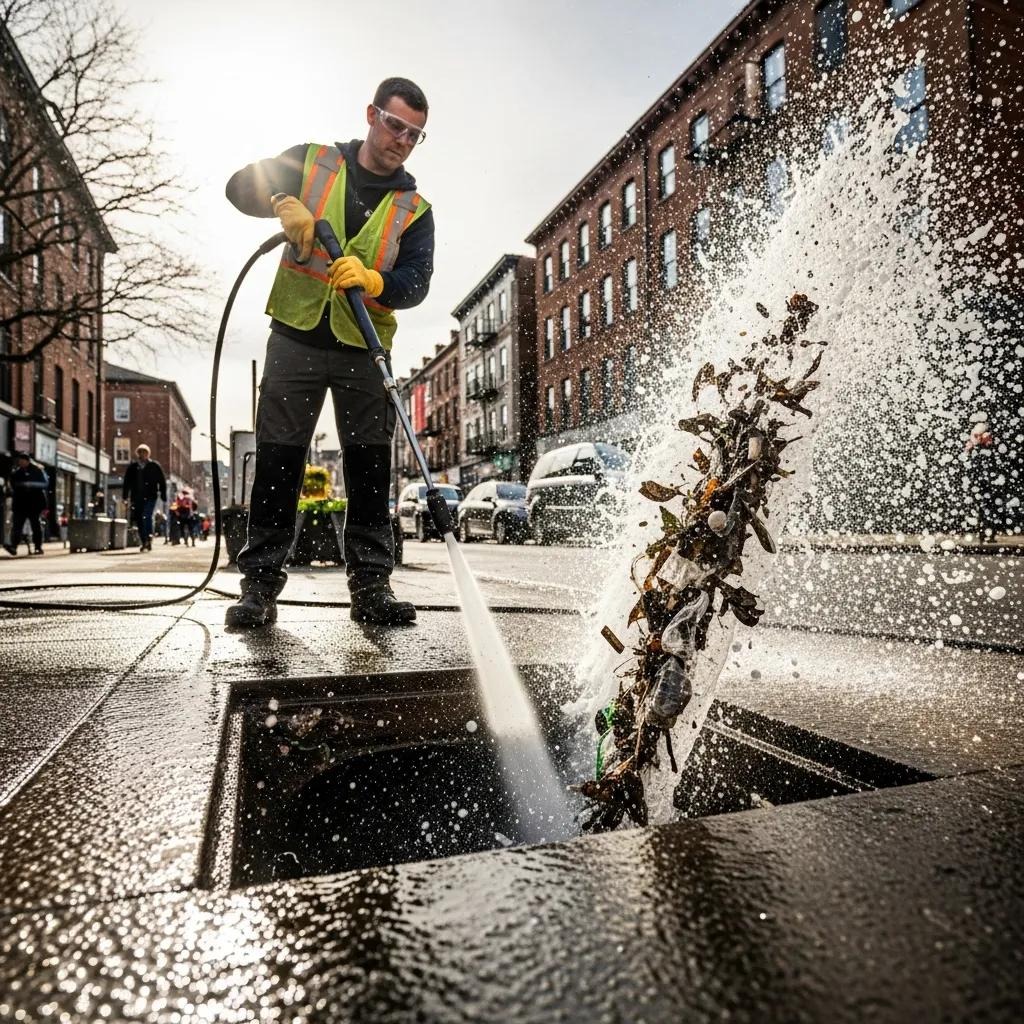
When it comes to cleaning stormwater drains, several methods are particularly effective:
These methods can be employed based on the severity and nature of the blockage.
Blocked stormwater drains can have significant environmental impacts, contributing to urban flooding and pollution. Understanding these consequences is essential for effective stormwater management.
Blockages in stormwater drains can lead to urban flooding, as water cannot flow freely through the drainage system. This flooding can cause damage to properties and infrastructure, as well as create hazardous conditions for pedestrians and vehicles. Additionally, stagnant water can become a breeding ground for mosquitoes and other pests, further exacerbating public health concerns.
The long-term effects of blocked stormwater drains on local ecosystems can be severe. Flooding can lead to habitat destruction, loss of biodiversity, and water quality degradation. Pollutants from urban runoff, including oils, heavy metals, and nutrients, can contaminate local waterways, harming aquatic life and disrupting the natural balance of ecosystems. Addressing stormwater management is crucial for protecting these environments.
Regular storm drain maintenance is essential for urban areas to prevent flooding and infrastructure damage. Understanding the importance of this maintenance can help communities prioritize their stormwater management efforts.
Regular maintenance of storm drains helps ensure that water can flow freely, reducing the risk of flooding during heavy rainfall. By addressing potential blockages and conducting routine inspections, municipalities can prevent costly damage to infrastructure and protect public safety. This proactive approach is vital for maintaining the functionality of urban drainage systems.
To maintain effective stormwater management, municipalities should consider the following recommended maintenance schedules and actions:
Implementing these actions can enhance the resilience of urban drainage systems and protect against flooding.

Selecting a reliable hot water system brand is crucial for Australian homeowners. The top brands—Rinnai, Rheem, Thermann, AquaMax, Evo Heat, and Bosch—excel in energy efficiency, warranty coverage, and rebate eligibility. These industry leaders offer various technologies from continuous flow gas to solar and heat pump systems, designed specifically for Australian conditions. With proper maintenance, systems from these brands typically provide 10-20 years of dependable service, making them excellent long-term investments for any household.
%20Hot%20Water%20System-%20Supply%20and%20Installation%20in%20Brisbane.webp)
At Mitchell Plumbing & Gas, we understand that having reliable hot water is essential for your home. Our 125L hot water systems are ideal for homes with 2-3 people, giving you plenty of hot water for daily activities.
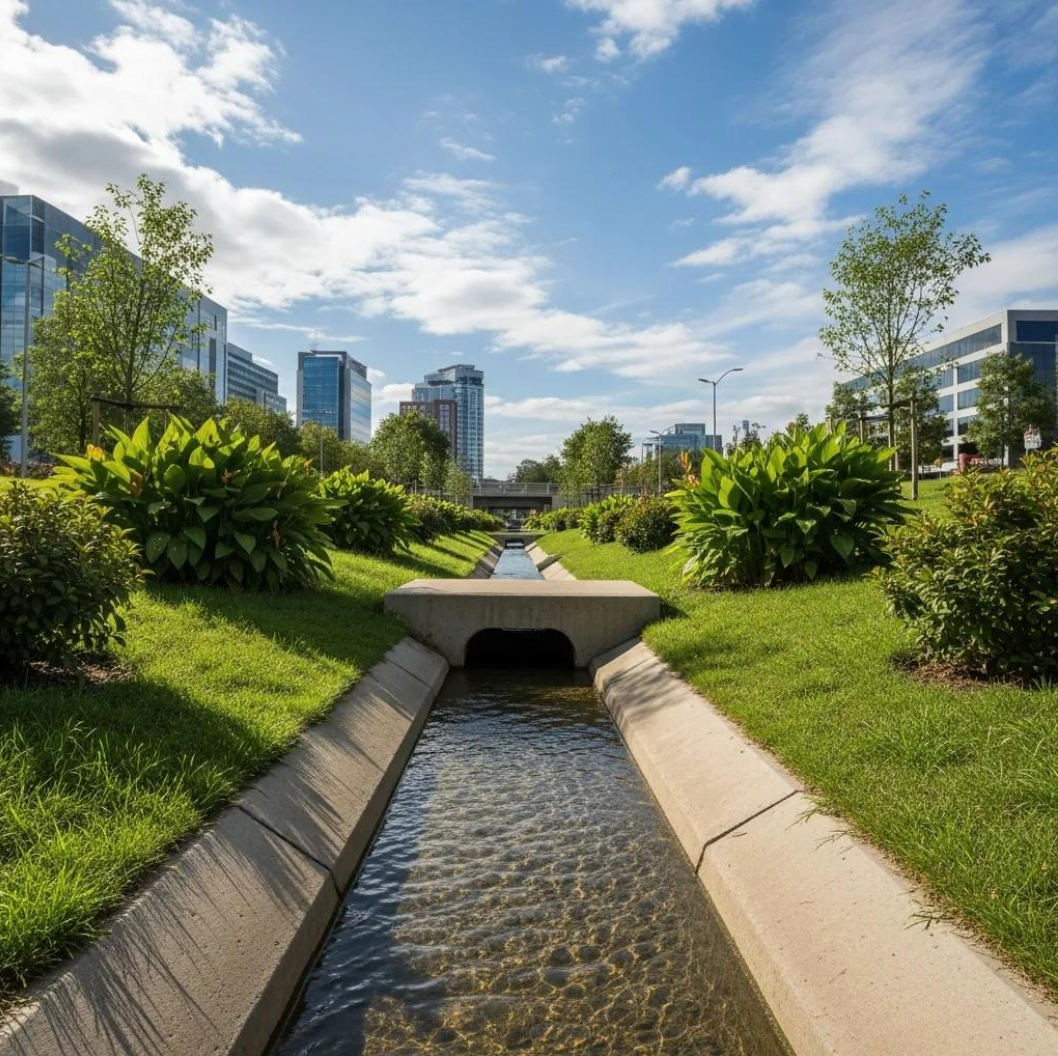
Stormwater drain blockages can lead to significant environmental issues, including flooding and pollution. Understanding how to prevent these blockages is crucial for maintaining effective drainage systems. This article will explore the best practices for stormwater drain maintenance, the common causes of blockages, and the environmental benefits of proper drainage management. By implementing these strategies, individuals and communities can contribute to pollution prevention and enhance the efficiency of their drainage systems. We will cover the causes of blockages, effective maintenance practices, environmental impacts, recommended tools, community roles, and emerging technologies in stormwater management.
Get a Quote


.svg)
