
Global
5 Steps on How to Clean Smelly Drains

September 8, 2021

Mitchel Plumbing Gas

5 Steps on How to Clean Smelly Drains

5 Steps on How to Clean Smelly Drains: Effective Drain Odor Removal and Deodorizing Methods

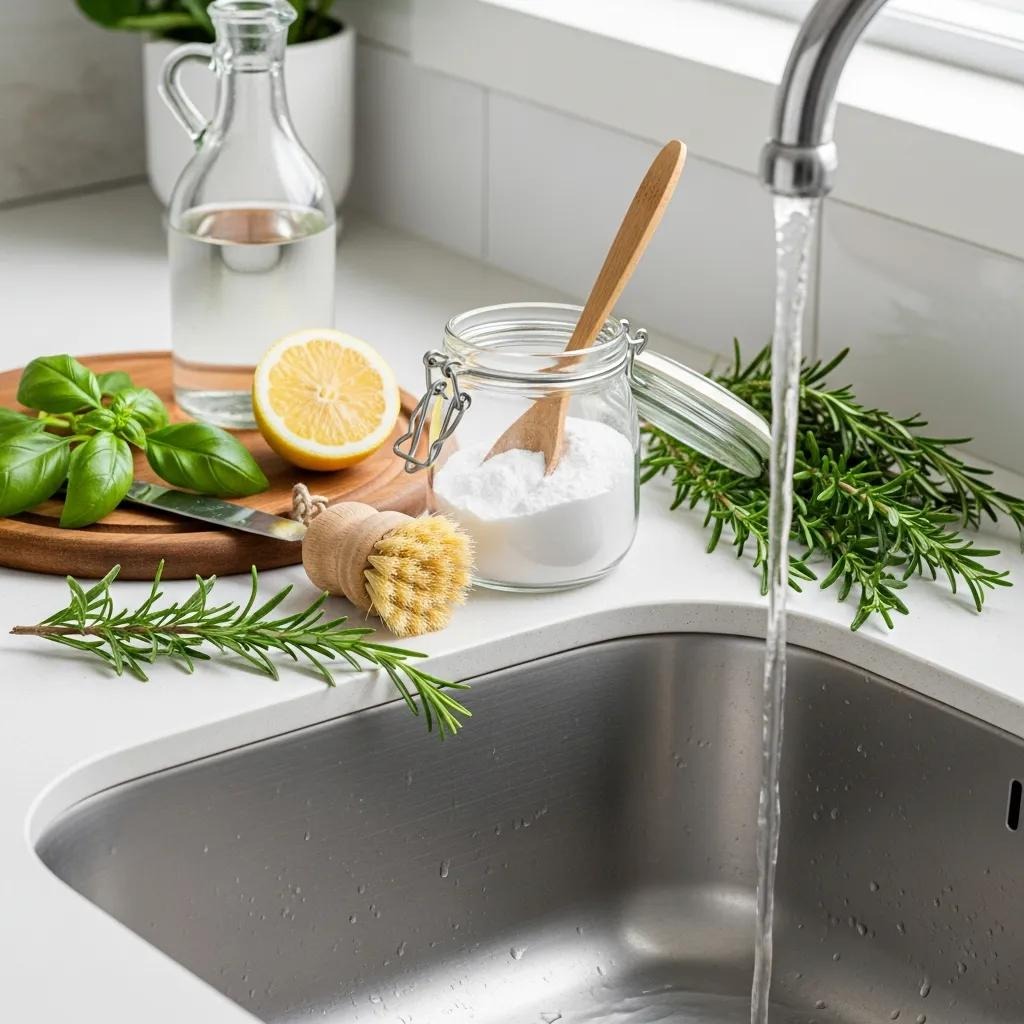
Clean kitchen sink with natural cleaning tools for effective drain odor removal

Dealing with smelly drains can be a frustrating experience for homeowners and business owners alike. The unpleasant odors often indicate underlying issues that require immediate attention. In this comprehensive guide, we will explore effective methods for cleaning smelly drains, ensuring that you can restore freshness to your plumbing system. You will learn about the necessary tools, step-by-step procedures, and preventative maintenance tips to keep your drains odor-free. By understanding the common causes of drain odors and how to address them, you can take proactive measures to maintain a clean and healthy environment. This article will cover essential steps, including gathering tools, inspecting drains, using plungers, and applying natural cleaning methods.

Gather Necessary Tools:

To effectively clean smelly drains, it's essential to have the right tools on hand. Here are the key items you will need:

  1. Plunger: A standard cup plunger is effective for clearing minor clogs and blockages.
  2. Drain Snake: This tool helps remove deeper clogs that a plunger cannot reach.
  3. Baking Soda and Vinegar: These natural ingredients work together to deodorize and clean drains.
  4. Hot Water: Hot water can help dissolve grease and other buildup in the pipes.
  5. Rubber Gloves: Protect your hands while cleaning to avoid contact with harmful substances.

Having these tools ready will streamline the cleaning process and ensure you can tackle any odor issues effectively.

Initial Inspection:

Before diving into the cleaning process, conducting an initial inspection of your drains is crucial. This step allows you to identify the source of the odor and any potential blockages. Look for the following signs:

  • Slow Draining: If water is not flowing freely, it may indicate a clog.
  • Gurgling Sounds: Unusual noises can signal air trapped in the pipes due to blockages.
  • Visible Debris: Check for any visible buildup around the drain opening.

Understanding these signs will help you determine the best approach for cleaning your drains.
Use a Plunger:

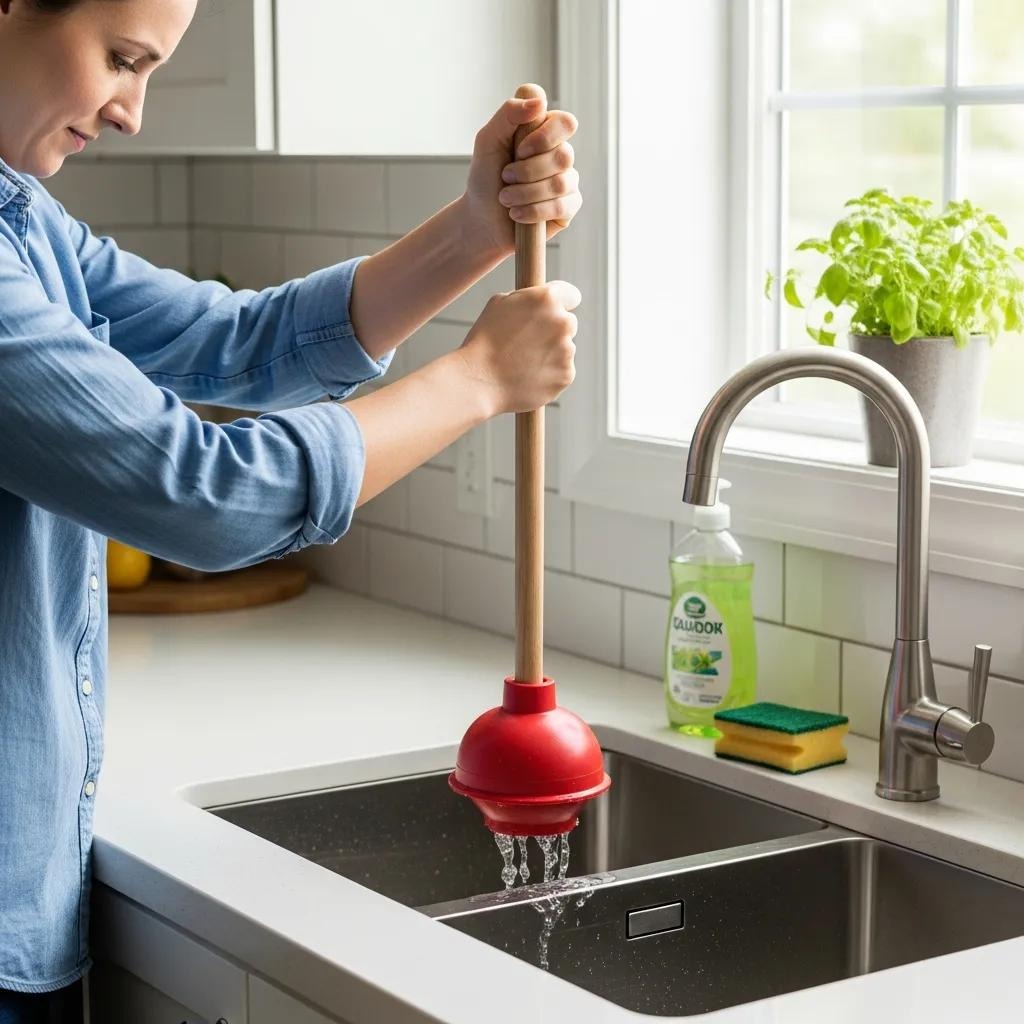
Person using a plunger on a kitchen sink to clear minor clogs

Using a plunger is a straightforward method for clearing minor clogs in your drains. Here’s how to do it effectively:

  1. Position the Plunger: Place the cup of the plunger over the drain opening, ensuring a tight seal.
  2. Push and Pull: Firmly push down and pull up on the handle, creating suction. Repeat this motion for about 15-20 seconds.
  3. Check for Drainage: After plunging, check if the water drains properly. If not, repeat the process.

Avoid common mistakes, such as using too much force or not creating a proper seal, as these can hinder the effectiveness of the plunger.
Apply Baking Soda and Vinegar:

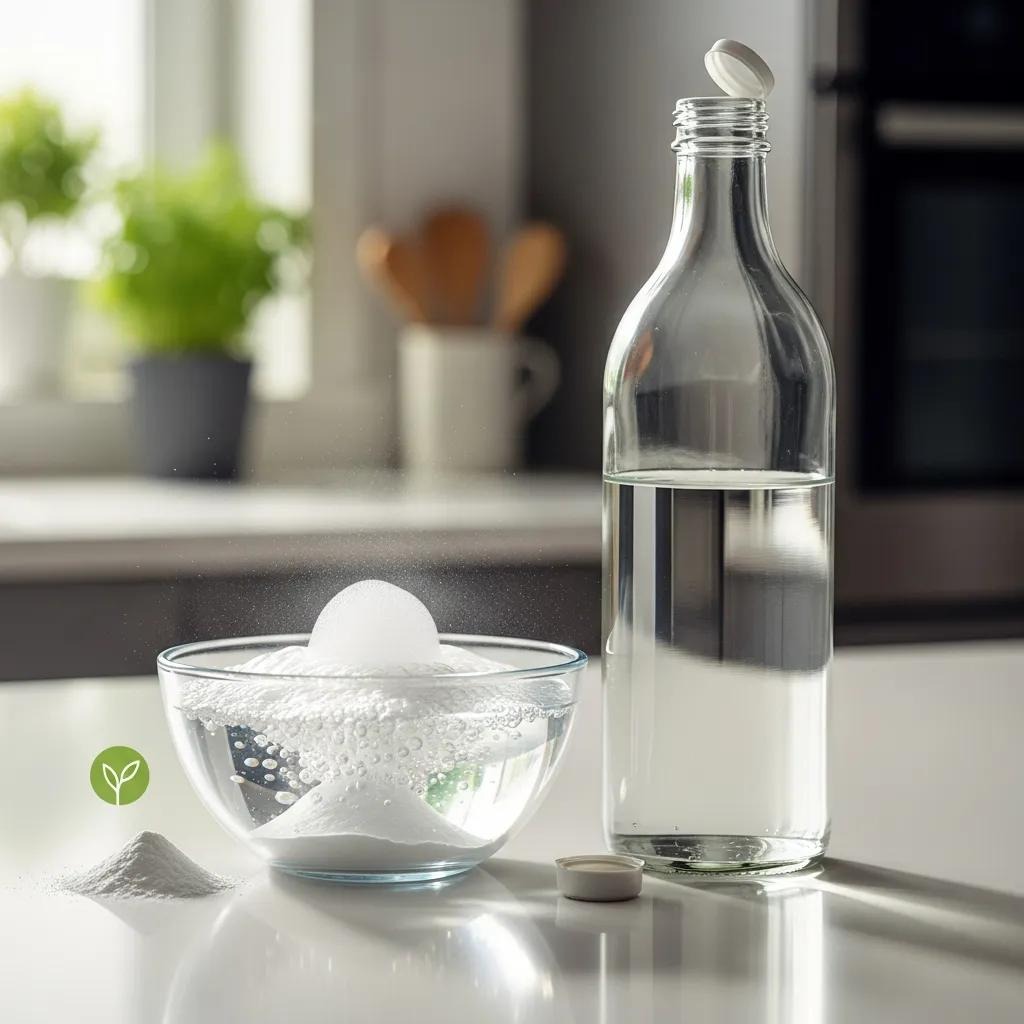
Baking soda and vinegar reacting in a bowl for natural drain deodorizing

One of the most effective natural methods for cleaning smelly drains involves using baking soda and vinegar. This combination not only deodorizes but also helps break down buildup. Here’s how to use it:

  1. Pour Baking Soda: Start by pouring about half a cup of baking soda down the drain.
  2. Add Vinegar: Follow with half a cup of vinegar. You will notice fizzing as the two ingredients react.
  3. Let it Sit: Allow the mixture to sit for 30 minutes to an hour. This gives it time to work on the buildup.
  4. Flush with Hot Water: Finally, flush the drain with hot water to clear away any remaining debris.

This method is not only effective but also environmentally friendly, making it a great choice for regular maintenance.

Research further supports the effectiveness of natural ingredients and hot water in drain decontamination.

Efficacy of Natural Cleaners & Hot Water for Drain Decontamination

5% Vinegar (LR 2.1–2.9) and 2% Tea Tree Oil (LR 2.5–3.6) demonstrated substantial activity, sometimes comparable to QAC. Baking soda had minimal effect (LR < 0.8). Hot water (LR 1.8–2.4) and soap scrubbing (LR 1.9–2.7) significantly outperformed cold water scrubbing (LR 1.3–1.9).

Quantitative Benchmarking of Household Surface Decontamination: Comparing Chemical Disinfectants, Natural Alternatives, and Physical Removal of Environmental …, 2025

Use a Drain Snake for Deeper Clogs:

For more stubborn clogs that a plunger or natural methods cannot resolve, a drain snake is an excellent tool. Here’s how to use it:

  1. Insert the Snake: Carefully insert the drain snake into the drain until you feel resistance.
  2. Rotate the Handle: Turn the handle to break up the clog or snag debris.
  3. Pull Out the Snake: Once you feel the blockage give way, slowly pull the snake out, bringing any debris with it.
  4. Flush the Drain: After using the snake, flush the drain with hot water to ensure it is clear.

Using a drain snake can be a bit messy, so be prepared with towels or a bucket to catch any debris that may come out.

What Are the Common Causes of Smelly Drains?

Understanding the common causes of smelly drains is essential for effective cleaning and prevention. Here are some typical culprits:

  • Food Residue: Leftover food particles can decompose and create foul odors.
  • Grease Buildup: Over time, grease can accumulate in pipes, leading to unpleasant smells.
  • Bacterial Growth: Bacteria thrive in organic matter, contributing to odors as they break down waste.

By identifying these causes, you can take proactive steps to prevent future odors.

Further studies delve into the specific origins of residential drain odors, highlighting the role of trap design.

Residential Drain Odors: Causes & Trap Effectiveness

This study aims to investigate odors generated from residential drains and residents’ awareness of these issues. The analysis revealed that the primary issue stemmed from the evaporation of sealing water in conventional traps, reducing their effectiveness in blocking odors.

A Study on the Odor Environment of Residential Facility Drains-Targeting Residential Complexes Behind Changwon, 2025

How Does Bacterial Buildup Contribute to Drain Odors?

Bacterial buildup is a significant factor in the development of drain odors. As organic matter decomposes, bacteria break it down, releasing gases that produce foul smells. This process can lead to:

  • Health Risks: Some bacteria can pose health risks, especially in poorly ventilated areas.
  • Clogging: Excessive bacterial growth can contribute to clogs, exacerbating odor issues.

Regular cleaning and maintenance can help minimize bacterial buildup and keep your drains smelling fresh.

What Role Do Grease and Biofilm Play in Drain Smells?

Grease and biofilm are two critical contributors to drain odors. Grease can solidify in pipes, trapping food particles and creating an ideal environment for biofilm growth. Here’s how they impact odors:

  • Grease Accumulation: Over time, grease can build up, leading to blockages and unpleasant smells.
  • Biofilm Formation: Biofilm is a slimy layer of bacteria that can develop on the inside of pipes, contributing to odors and clogs.

To combat these issues, regular cleaning and the use of natural cleaning methods can help maintain clear and odor-free drains.

Which Natural Drain Cleaning Methods Effectively Deodorize Drains?

Several natural methods can effectively deodorize drains and keep them smelling fresh. Here are some popular options:

  1. Baking Soda and Vinegar: As mentioned earlier, this combination is excellent for breaking down buildup and neutralizing odors.
  2. Salt and Hot Water: Pouring salt followed by hot water can help dissolve grease and eliminate odors.
  3. Lemon Juice: The acidity of lemon juice can help cut through grease and leave a fresh scent.

Incorporating these methods into your cleaning routine can help maintain a pleasant environment in your home.

What Are the Step-by-Step Procedures for Cleaning Smelly Drains?

Cleaning smelly drains can be done effectively by following these steps:

  1. Gather Tools: Ensure you have all necessary tools ready.
  2. Inspect the Drain: Look for signs of blockage or buildup.
  3. Use a Plunger: Start with a plunger for minor clogs.
  4. Apply Baking Soda and Vinegar: Use this natural method for deodorizing.
  5. Use a Drain Snake: For deeper clogs, employ a drain snake.
  6. Flush with Hot Water: Always finish by flushing the drain with hot water.

Following these steps will help you maintain clean and odor-free drains.

How to Prepare and Safely Use Chemical and Mechanical Cleaning Methods?

When considering chemical and mechanical cleaning methods, safety and preparation are paramount. Here are some guidelines:

  • Read Labels: Always read the instructions on chemical cleaners to ensure safe use.
  • Wear Protective Gear: Use gloves and goggles to protect yourself from harmful substances.
  • Ventilate the Area: Ensure proper ventilation when using chemical cleaners to avoid inhaling fumes.

For those in Brisbane, professional plumbing services can provide safe and effective cleaning solutions tailored to your needs.

Mitchell Plumbing and Gas is a Brisbane-based plumbing and gas fitting company specializing in residential and commercial services, including drain cleaning and maintenance. Their expertise ensures that your drains are cleaned effectively and safely.

What Preventative Maintenance Steps Help Avoid Future Drain Odors?

Preventative maintenance is key to avoiding future drain odors. Here are some effective steps:

  1. Regular Cleaning: Schedule regular cleanings using natural methods to keep drains clear.
  2. Avoid Grease Disposal: Never pour grease down the drain; instead, dispose of it in the trash.
  3. Use Drain Screens: Install screens to catch food particles and debris before they enter the drain.

Implementing these practices can significantly reduce the likelihood of unpleasant odors in your drains.

When Should You Call a Professional for Drain Odor Removal?

Knowing when to call a professional is crucial for effective drain maintenance. Consider contacting a plumbing service if you notice:

  • Persistent Odors: If odors persist despite cleaning efforts, it may indicate a deeper issue.
  • Frequent Clogs: Regular clogs can signal underlying plumbing problems that require professional attention.
  • Visible Damage: If you see signs of damage to your plumbing system, such as leaks or corrosion, it's time to call in the experts.

Professional services can provide thorough inspections and effective solutions to restore your drains.

What Are the Benefits of Hiring Licensed Plumbing Services in Brisbane?

Hiring licensed plumbing services offers several advantages, including:

  • Expertise and Experience: Professionals have the training and experience to handle complex plumbing issues.
  • Emergency Response: Many plumbing services offer emergency support for urgent situations.
  • Comprehensive Services: Licensed plumbers can address a wide range of plumbing needs beyond just drain cleaning.

Choosing a licensed service ensures that your plumbing issues are handled safely and effectively.

How Does Emergency Plumbing Support Address Persistent Drain Smells?

Emergency plumbing services play a vital role in addressing persistent drain smells. They provide:

  • Rapid Response: Quick intervention can prevent further damage and odors from worsening.
  • Thorough Inspections: Professionals can identify the root cause of persistent smells and recommend appropriate solutions.
  • Advanced Techniques: Emergency plumbers often have access to specialized tools and techniques for effective cleaning.

Utilizing emergency plumbing services can help restore your drains to optimal condition quickly.

How Can Regular Drain Maintenance Prevent Smelly Drains?

Regular drain maintenance is essential for preventing smelly drains. Here are some key practices:

  • Routine Inspections: Regularly check your drains for signs of buildup or blockages.
  • Scheduled Cleanings: Implement a cleaning schedule using natural methods to keep drains fresh.
  • Educate Household Members: Ensure everyone in your home understands what can and cannot be disposed of down the drain.

By prioritizing maintenance, you can significantly reduce the likelihood of unpleasant odors.

What Routine Cleaning Practices Ensure Long-Term Drain Freshness?

To ensure long-term freshness in your drains, consider these routine cleaning practices:

  1. Weekly Hot Water Flush: Pouring hot water down the drain weekly can help dissolve grease and prevent buildup.
  2. Monthly Baking Soda and Vinegar Treatment: Use this natural method monthly to keep odors at bay.
  3. Regular Use of Drain Screens: Install and maintain drain screens to catch debris before it enters the plumbing system.

These practices will help maintain a clean and odor-free environment in your home.

How Do Professional Maintenance Services Enhance Drain Health?

Professional maintenance services can significantly enhance drain health through:

  • Advanced Techniques: Professionals use specialized tools and techniques to clean drains thoroughly.
  • Preventative Measures: Regular maintenance can identify potential issues before they become serious problems.
  • Expert Recommendations: Licensed plumbers can provide tailored advice on maintaining your plumbing system.

Investing in professional maintenance ensures the longevity and health of your drains.

Recent Post

Can you tile over Mouldy walls?

Can you tile over Mouldy walls?

September 8, 2022
Mitchel Plumbing Gas

Mouldy walls can be a real turn-off, but what do you do when you have to tile over them? Can you just slap some tiles on top and call it a day, or is

Parts of Toilet and Their Functions

Parts of Toilet and Their Functions

August 12, 2025
Mitchel Plumbing Gas

When your toilet starts acting up, knowing what's happening inside can save you time, money, and a lot of frustration. Ever wondered why your toilet keeps running, or what that mysterious gurgling sound means?

How to Apply for Hot Water System Rebate in Queensland and Eligibility Criteria

How to Apply for Hot Water System Rebate in Queensland and Eligibility Criteria

February 11, 2025
Mitchel Plumbing Gas

A hot water system is your home's main source of heated water that delivers hot water to your taps, showers, and appliances. The Queensland Government offers a rebate program that gives money back to homeowners who install energy-efficient hot water systems. This program helps Queensland residents reduce their energy costs and lower their environmental impact.