

Drain inspection is a crucial process that helps identify potential issues within plumbing systems before they escalate into costly repairs. Utilizing advanced technology, such as drain camera systems, professionals can conduct thorough inspections that reveal the condition of pipes and detect blockages or damage. This proactive approach not only saves homeowners and businesses money but also ensures the longevity of their plumbing systems. In this article, we will explore the numerous benefits of drain inspection, including how it works, the signs that indicate the need for inspection, and the cost savings associated with regular maintenance. We will also highlight why choosing a reliable service provider like Mitchell Plumbing and Gas is essential for effective drain inspection in Brisbane.
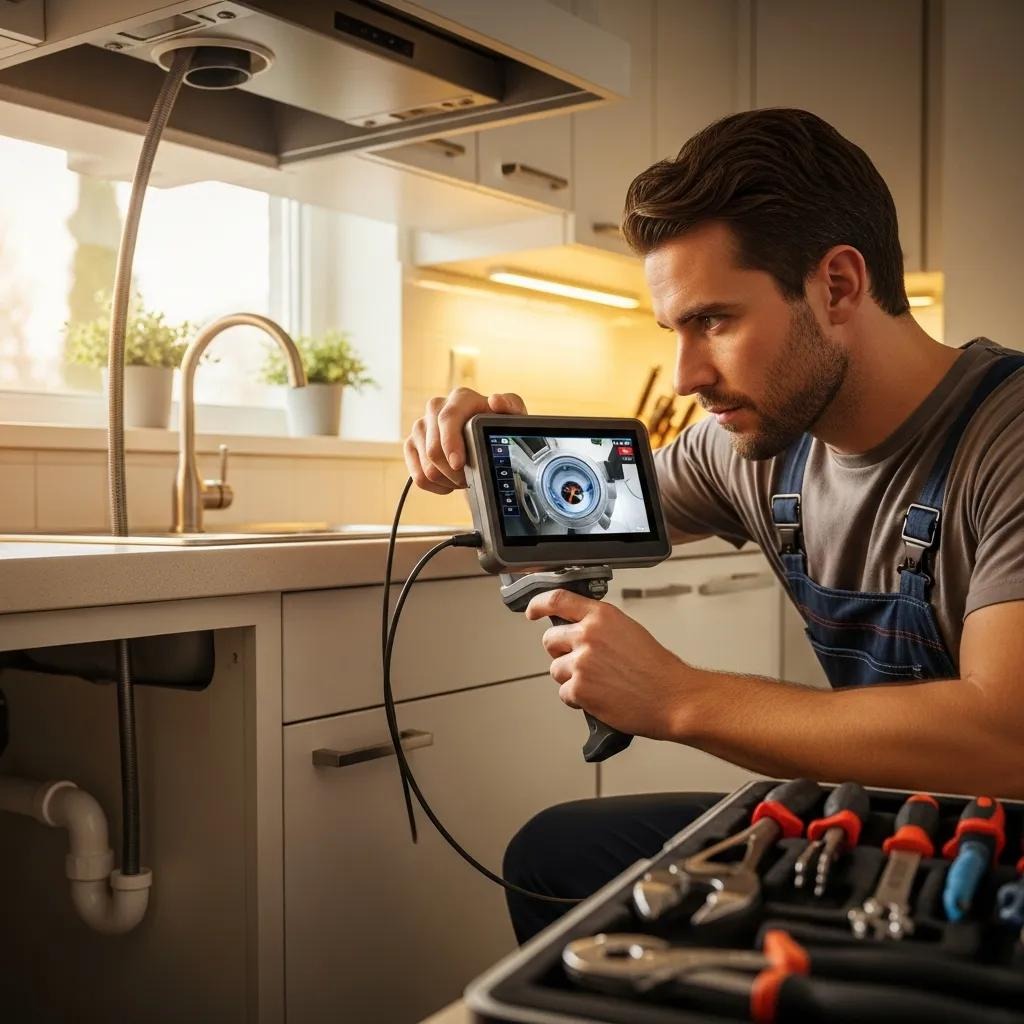
Drain inspection involves the use of specialized equipment, particularly drain cameras, to assess the interior of pipes and drainage systems. This technology allows plumbers to visually inspect the condition of the pipes without invasive procedures, making it a non-destructive method of identifying issues. The cameras provide real-time footage, enabling professionals to pinpoint blockages, cracks, or other forms of damage accurately. This method enhances the inspection process by offering a clear view of the plumbing system's health, leading to more informed decisions regarding repairs or maintenance.
The effectiveness of vision-based systems for defect assessment in sewer pipes has been a subject of extensive research.
Vision-Based Sewer Pipe Inspection & Defect Assessment
defect inspection and condition assessment from 2000 to Based on the detection model developed by [9], a video
Vision-based defect inspection and condition assessment for sewer pipes: A comprehensive survey, Y Li, 2000
Drain cameras are equipped with high-resolution video technology that captures detailed images of the inside of pipes. As the camera is inserted into the drainage system, it transmits live video back to the technician, who can observe any abnormalities. This technology is particularly effective in detecting various issues, including:
Research further emphasizes the critical role of CCTV in identifying specific threats like root intrusion.
CCTV for Sewer Root Intrusion & Blockage Risk
root intrusions into sewers and sewer defects allowing such intrusions were collected through CCTV for determining the sewage flow blockage risks related to root intrusion.
Management of risk of tree and shrub root intrusion into sewers, 2017
The ability to visualize these issues in real-time allows for precise diagnosis and targeted solutions, minimizing the need for extensive excavation or guesswork.
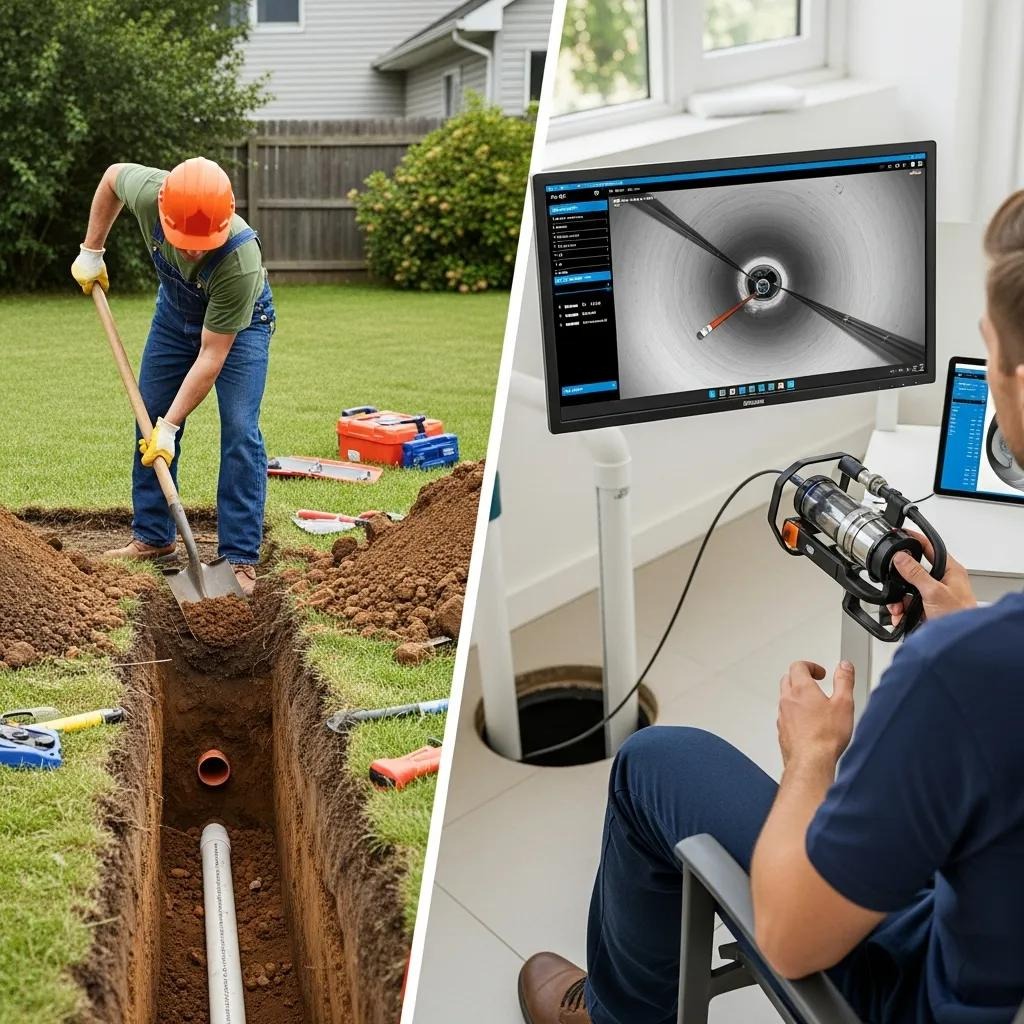
Video inspection provides several advantages compared to traditional inspection methods, such as manual probing or relying solely on physical inspection. These advantages include:
These benefits make video inspection a preferred choice for both residential and commercial plumbing services.
Recognizing the signs of blocked drains is essential for timely intervention. Homeowners and businesses should be vigilant for the following indicators:
Addressing these signs promptly through professional drain inspection can prevent more severe plumbing problems down the line.
In addition to the signs of blocked drains, there are other common symptoms that may indicate plumbing issues requiring inspection:
Being aware of these symptoms can help homeowners and businesses take proactive measures to maintain their plumbing systems.
Early detection of plumbing issues through regular drain inspections can significantly reduce the risk of emergency situations. By identifying problems before they escalate, property owners can avoid:
Regular inspections serve as a safeguard against these potential emergencies, ensuring a safe and functional plumbing system.
Indeed, studies confirm that identifying plumbing defects early is crucial to avoid significant damage and expenses.
Early Detection of Residential Plumbing Defects Prevents Major Damage
Most residential building owners often report problems associated with the plumbing systems. If identified at the early stages, plumbing-related defects can be easily repaired. However, if unnoticed for a long period of time, they could lead to major damages and incur a significa
Plumbing defects in residential buildings: analysis of anomalies and their causes, A Gurmu, 2023
Investing in regular drain inspections can lead to significant cost savings over time. By identifying and addressing issues early, property owners can avoid the high costs associated with emergency repairs. Some key cost-saving benefits include:
These factors highlight the financial advantages of prioritizing drain inspections as part of a comprehensive plumbing maintenance plan.
The cost of drain inspection services in Brisbane can vary based on several factors, including the complexity of the plumbing system and the specific services required. On average, homeowners can expect to pay between $150 to $300 for a professional drain inspection. Factors that may influence pricing include:
Understanding these cost factors can help property owners budget for necessary inspections and maintenance.
Regular drain inspections play a crucial role in reducing the frequency of emergency plumbing calls. By identifying and addressing minor issues before they escalate, property owners can experience:
This preventative approach not only saves money but also enhances the overall functionality of the plumbing system.
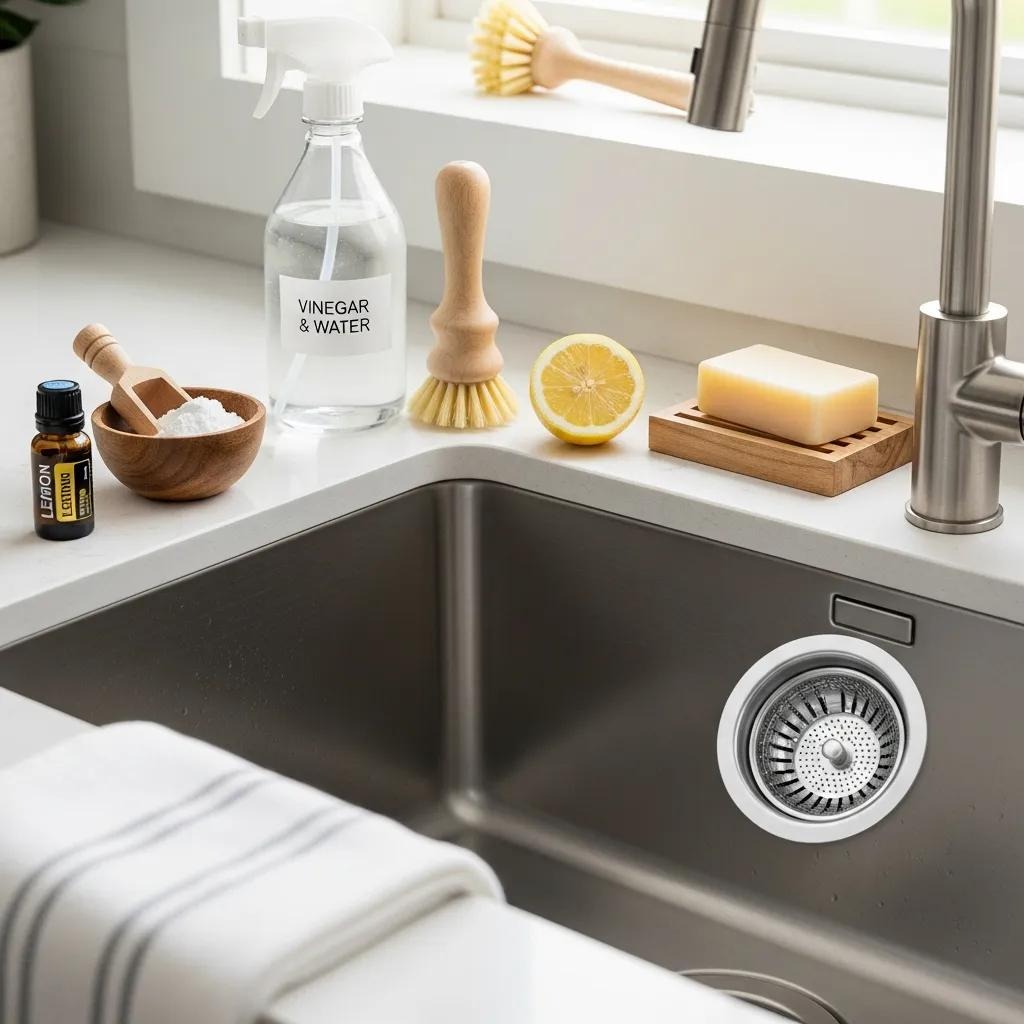
To maintain a healthy plumbing system, property owners should implement essential drain maintenance tips alongside professional inspections. These practices include:
Incorporating these maintenance tips can enhance the effectiveness of professional inspections and prolong the life of the plumbing system.
Maintaining clear and functional drains requires consistent effort. Homeowners and businesses can adopt the following routine practices:
These practices contribute to a well-maintained plumbing system, reducing the likelihood of future problems.
Combining regular maintenance with inspections is key to extending the lifespan of plumbing systems. This approach ensures that:
By prioritizing both maintenance and inspections, property owners can maximize the longevity and performance of their plumbing systems.
When it comes to drain inspection services in Brisbane, choosing a reliable provider is essential. Mitchell Plumbing and Gas stands out for several reasons:
By selecting Mitchell Plumbing and Gas, property owners can trust that their plumbing systems are in capable hands.
Our team at Mitchell Plumbing and Gas is equipped with the necessary certifications and experience to provide top-notch drain inspection services. Our qualifications include:
This combination of expertise and experience ensures that our clients receive the highest quality service.
At Mitchell Plumbing and Gas, we understand the importance of prompt service and customer satisfaction. Our rapid response and customer-centric approach include:
This commitment to reliability and customer service sets us apart as a trusted provider of drain inspection services in Brisbane.
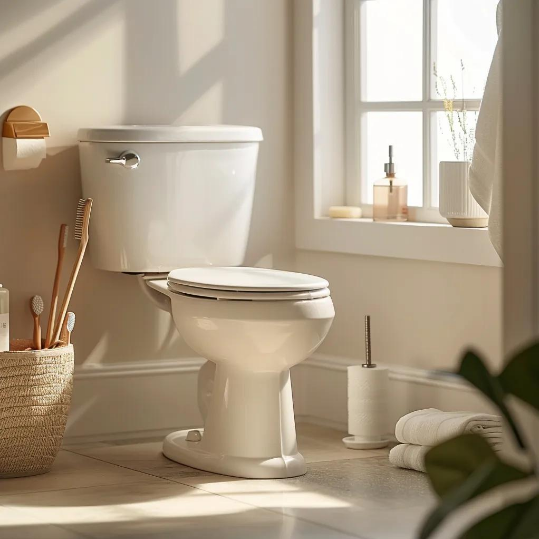
Nothing ruins your morning quite like discovering your toilet is blocked and threatening to overflow all over your bathroom floor. One minute you're rushing to get ready for work, and the next you're standing there with a plunger, wondering how this disaster happened again.

Dealing with smelly drains can be a frustrating experience for homeowners and business owners alike. The unpleasant odors often indicate underlying issues that require immediate attention. In this comprehensive guide, we will explore effective methods for cleaning smelly drains, ensuring that you can restore freshness to your plumbing system. You will learn about the necessary tools, step-by-step procedures, and preventative maintenance tips to keep your drains odor-free. By understanding the common causes of drain odors and how to address them, you can take proactive measures to maintain a clean and healthy environment. This article will cover essential steps, including gathering tools, inspecting drains, using plungers, and applying natural cleaning methods.

The difference between leaking and burst pipes. A large number of people do not know the difference between a leak and a burst pipe. If you are one of those people, you need to familiarize yourself with these terms.
Get a Quote


.svg)
