

Blocked stormwater drains can lead to significant issues for homeowners and urban infrastructure alike. Recognizing the signs of a blockage is crucial for timely intervention and prevention of further damage. This article will explore the common symptoms of blocked stormwater drains, the main causes of these blockages, the risks associated with ignoring them, effective inspection methods, and the best maintenance practices to keep your drainage systems functioning properly. By understanding these aspects, you can take proactive measures to ensure your stormwater management systems remain effective and efficient.
Identifying the signs of blocked stormwater drains is essential for preventing more severe drainage issues. Common indicators include visible symptoms of drain clogging, slow drainage, and water pooling around drains. Recognizing these signs early can help mitigate potential damage to your property and the surrounding environment.
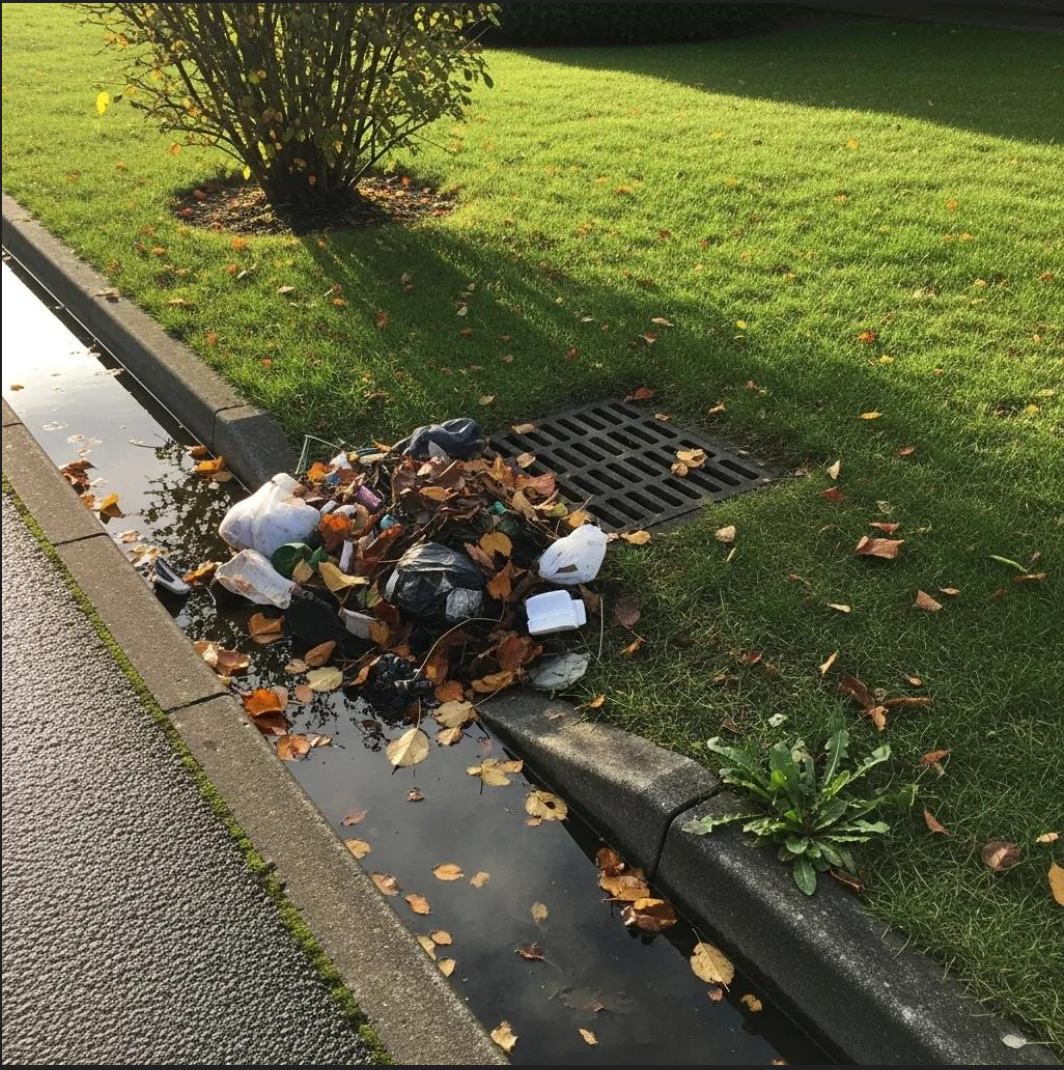
Visible symptoms of drain clogging often manifest as water pooling in areas where it should drain away. This can include puddles forming near the drain or in your yard, which may indicate that the drainage system is not functioning correctly. Additionally, you might notice unpleasant odors emanating from the drain, which can be a sign of stagnant water and organic matter buildup. These visual cues are critical for identifying potential blockages before they escalate into more significant problems.
Slow drainage is another common sign of a blocked stormwater drain. When water takes longer than usual to flow through the system, it often indicates that debris or sediment is obstructing the pipes. This can be caused by various factors, including the accumulation of leaves, dirt, or even tree roots infiltrating the drainage system. If you notice that outdoor drains are draining slowly, it is essential to investigate further to prevent a complete blockage.
Understanding the primary causes of stormwater drain blockages can help in preventing future issues. Common culprits include debris and sediment accumulation, root intrusion, and structural problems within the drainage system. Each of these factors can contribute to the efficiency of your stormwater management.
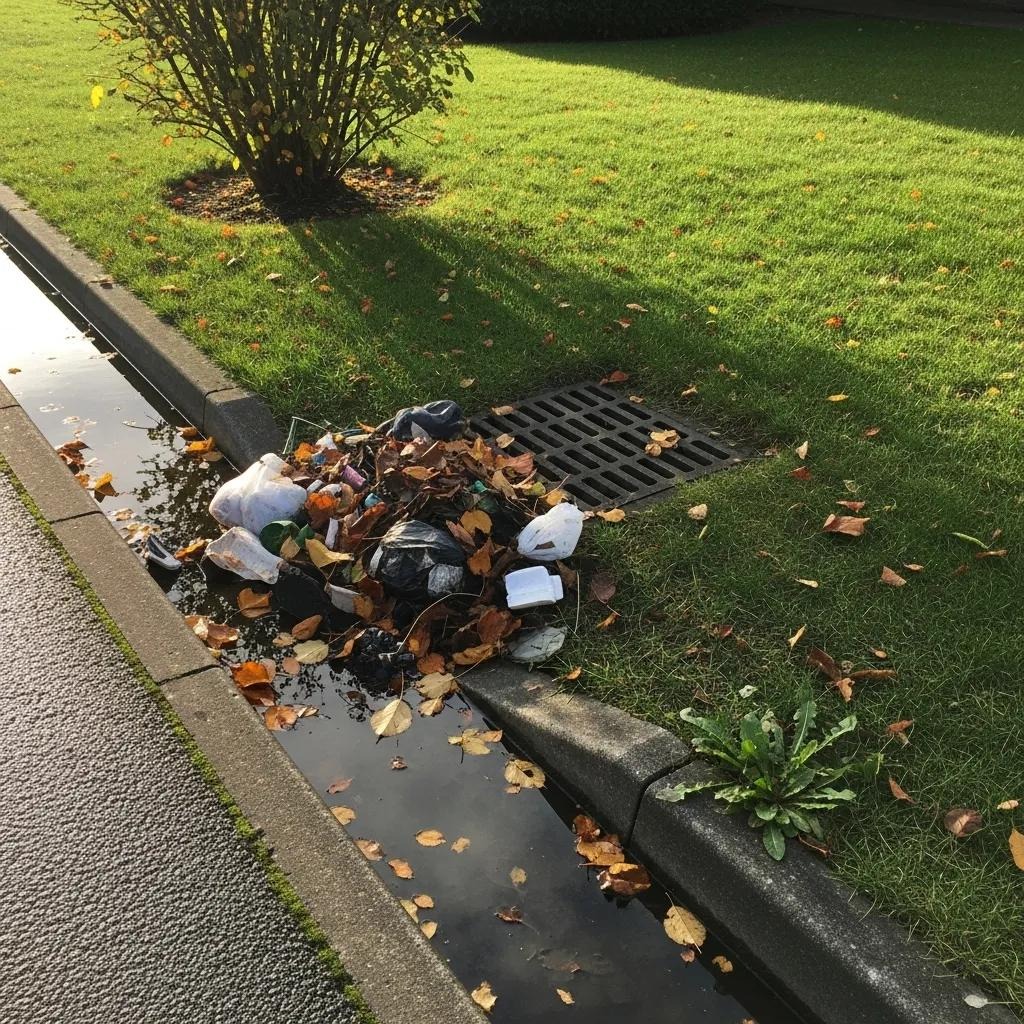
Debris and sediment accumulation is a leading cause of blockages in stormwater drains. Leaves, twigs, and other organic materials can build up over time, creating a barrier that prevents water from flowing freely. Additionally, tree roots can intrude into drainage pipes, exacerbating the blockage and leading to more severe drainage issues. Regular maintenance and inspections can help mitigate these risks by ensuring that debris is cleared and roots are managed effectively.
Research further emphasizes how various forms of solid waste contribute significantly to the obstruction of stormwater drainage systems.
Solid Waste Blocking Stormwater Drains
It is evidenced from the p 6 above that solid wastes of different types are dumped into storm-water drains that blocked storm-water drainage network system and car wash site that
ASSESSEMENT OF URBAN STORM WATER DRAINAGE NETWORK SYSTEM AND ROAD FLOODING RISK MANAGEMENT IN ADDIS ABABA, NEFAS SILK LAFTO …, 2017
Structural issues within the drainage system can also lead to blockages. Problems such as misaligned pipes, cracks, or collapsed sections can impede water flow and create areas where debris can accumulate. Identifying these structural problems early is crucial for maintaining the integrity of your stormwater management system. Regular inspections can help detect these issues before they lead to significant blockages or failures.
Ignoring blocked stormwater drains can have serious consequences, including flooding, property damage, and environmental impacts. Understanding these risks is essential for motivating timely action when signs of blockage are present.
Blocked stormwater drains can lead to localized flooding, especially during heavy rainfall. When water cannot drain properly, it can overflow and cause damage to your property, including erosion, foundation issues, and damage to landscaping. In severe cases, flooding can lead to significant structural damage, resulting in costly repairs. Addressing blockages promptly can help prevent these adverse effects.
The environmental impacts of blocked stormwater drains can be significant. Poor drainage can lead to water pooling, which can create breeding grounds for mosquitoes and other pests. Additionally, stagnant water can contribute to the contamination of local water sources, affecting both wildlife and human populations. Urban areas can suffer from increased flooding and infrastructure damage, leading to higher maintenance costs and reduced quality of life for residents.
Effective inspection methods are crucial for identifying blocked stormwater drains. Utilizing the right tools and techniques can help you detect blockages early and address them before they escalate.

Several tools can assist in detecting drain blockages, including cameras for visual inspection, drain snakes, and hydro-jetting equipment. Visual signs such as water pooling, slow drainage, and unpleasant odors can also indicate potential blockages. By combining these tools with keen observation, you can effectively identify issues within your drainage system.
Performing a thorough drainage system inspection involves several steps. Start by visually inspecting the area around the drains for signs of pooling or debris. Next, use a camera to inspect the interior of the pipes for blockages or structural issues. If necessary, employ a drain snake or hydro-jetting to clear any obstructions. Regular inspections should be part of your maintenance routine to ensure the longevity and efficiency of your stormwater management system.
Maintaining and cleaning stormwater drains is essential for preventing blockages and ensuring proper drainage. Various methods can be employed, ranging from professional services to DIY techniques.
Professional drain cleaning services should be considered when blockages are severe or persistent. These services can provide specialized equipment and expertise to clear stubborn blockages and assess the overall health of your drainage system. Regular professional maintenance can help prevent future issues and extend the life of your stormwater management system.
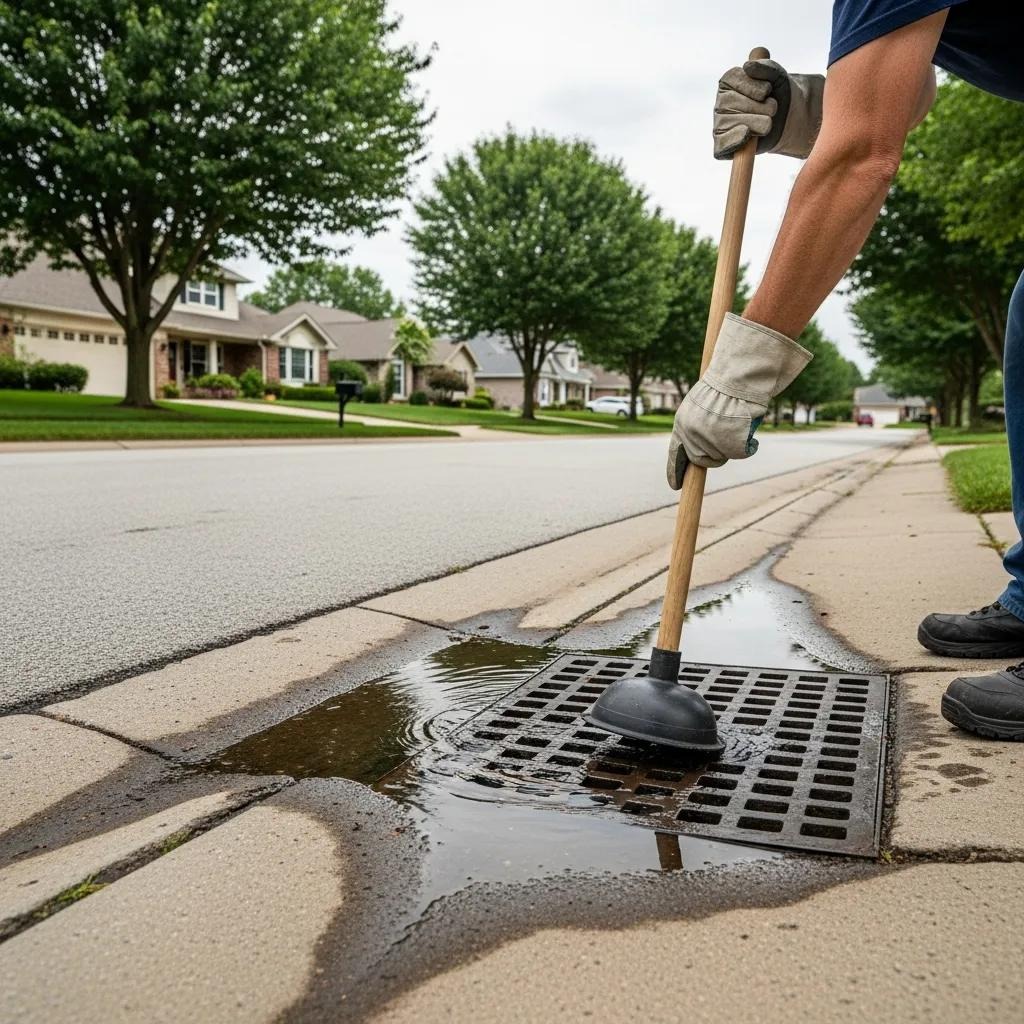
For minor blockages, several DIY techniques can be effective. These include using a plunger to dislodge clogs, flushing the drain with water to remove loose debris, or using a mixture of baking soda and vinegar to break down organic matter. However, it is essential to exercise caution and avoid using harsh chemicals that can damage your pipes. Regular maintenance, such as clearing debris from drain covers, can also help prevent blockages from occurring in the first place.

Tired of dealing with slow drains and mysterious blockages that keep coming back? Understanding what actually causes these problems is the first step to preventing them. Most blocked drains aren't random occurrences but result from everyday habits that gradually build up trouble over time. From grease and food waste that solidify in kitchen pipes to hair and soap scum creating stubborn bathroom clogs, each type of blockage has specific causes and solutions.

A hot water heater is a household appliance designed to heat and maintain water at a set temperature for daily use in showers, taps, and appliances. When choosing the right hot water heater to buy, there are several main steps to consider: selecting the right size, picking the type of hot water system, checking energy efficiency ratings, comparing installation costs, and understanding ongoing maintenance needs. Each of these steps helps ensure you get a hot water system that meets your household's needs while being cost-effective to run.

Discover the 8 most common causes of blocked toilets: excessive toilet paper, non-flushable items, vent pipe issues & more. Learn expert prevention tips and DIY solutions to avoid costly plumbing emergencies.
Get a Quote


.svg)
