

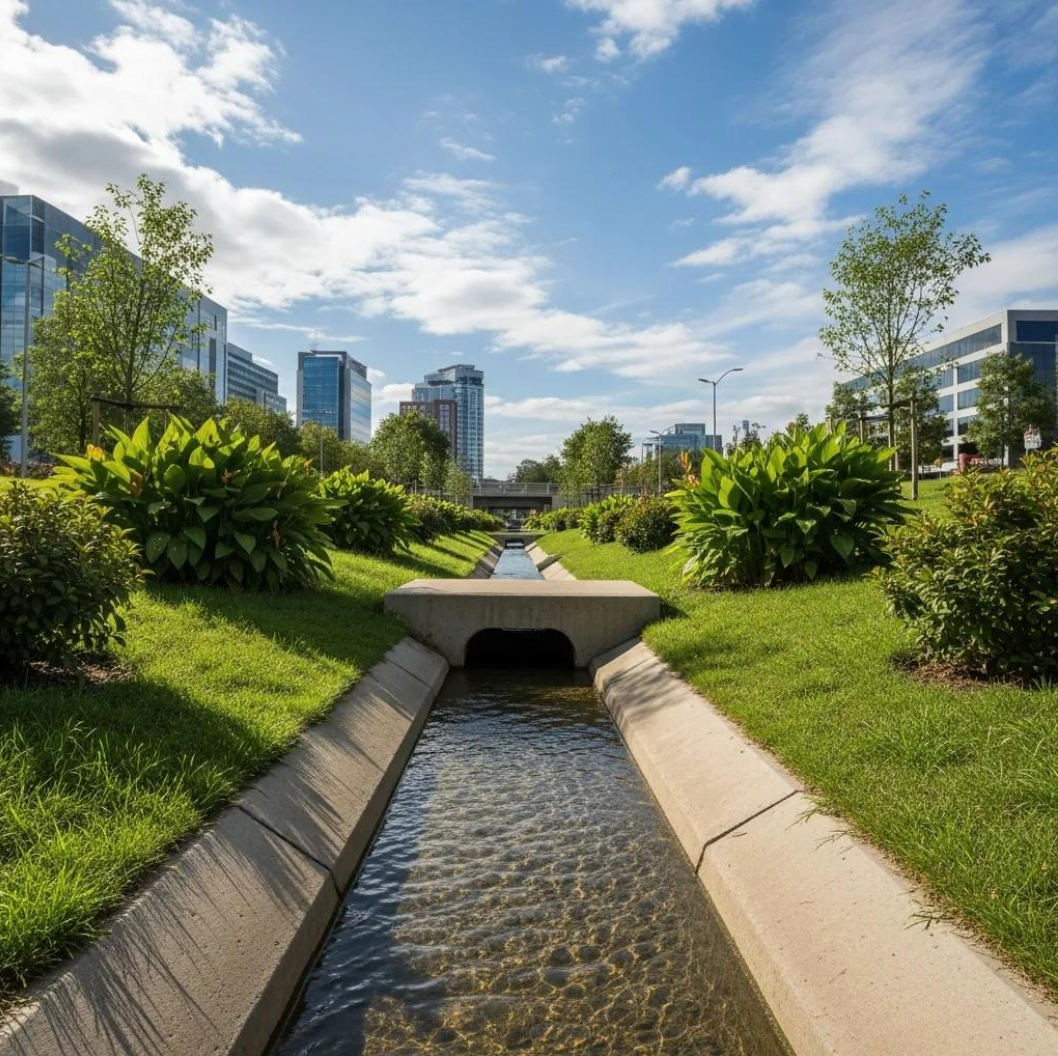
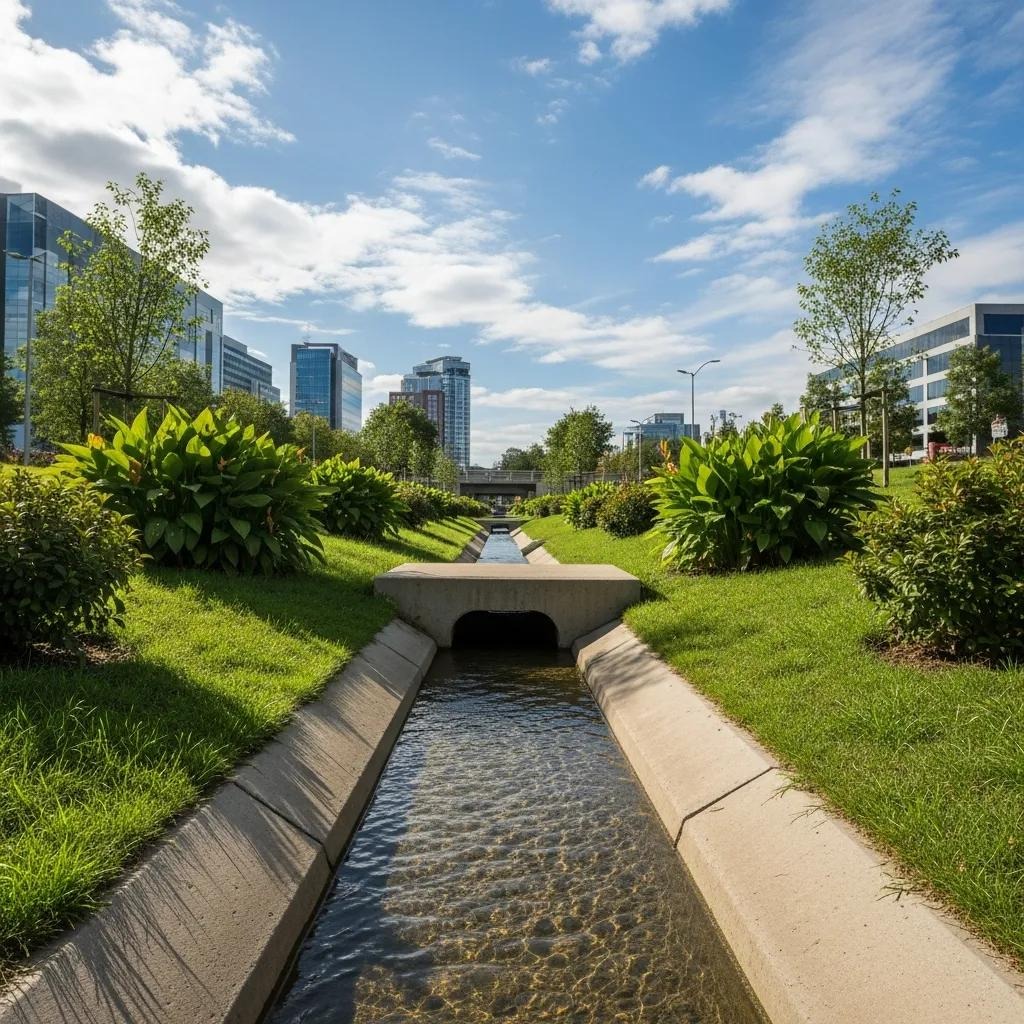
Stormwater drain blockages can lead to significant environmental issues, including flooding and pollution. Understanding how to prevent these blockages is crucial for maintaining effective drainage systems. This article will explore the best practices for stormwater drain maintenance, the common causes of blockages, and the environmental benefits of proper drainage management. By implementing these strategies, individuals and communities can contribute to pollution prevention and enhance the efficiency of their drainage systems. We will cover the causes of blockages, effective maintenance practices, environmental impacts, recommended tools, community roles, and emerging technologies in stormwater management.
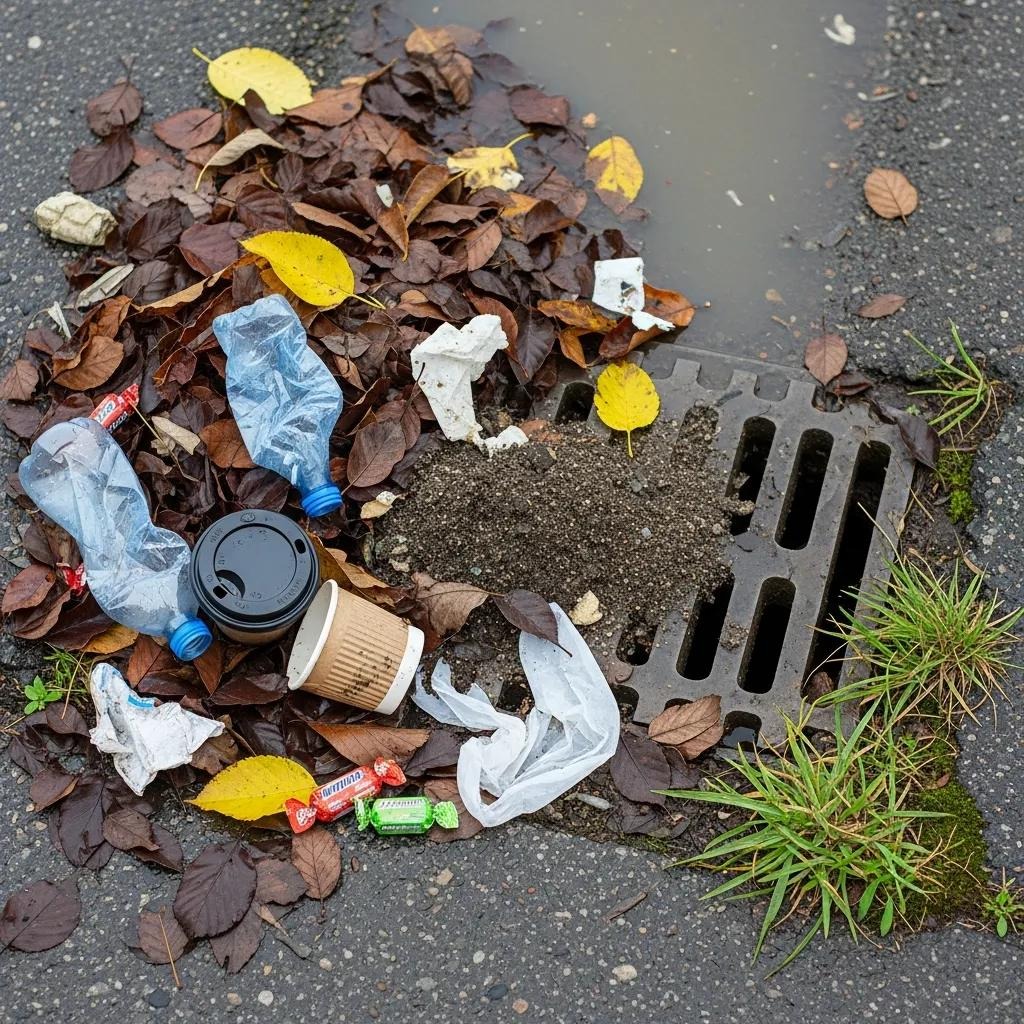
Stormwater drain blockages often occur due to a combination of debris accumulation and environmental factors. Common causes include leaves, trash, sediment, and grease that obstruct the flow of water. These blockages can lead to flooding and increased pollution levels in nearby water bodies. Understanding these causes is essential for effective prevention strategies.
Debris such as leaves and trash can significantly impede the flow of water in stormwater drains. When these materials accumulate, they create physical barriers that prevent water from passing through. For instance, a buildup of leaves can trap additional debris, leading to more severe blockages. Regular cleaning and maintenance are vital to prevent these issues and ensure that drains function effectively.
Stormwater runoff plays a critical role in drain clogging by carrying pollutants and debris into drainage systems. This runoff can include sediments, chemicals, oils, and organic matter that contribute to blockages. Studies indicate that increased urbanization leads to higher runoff volumes, exacerbating the clogging issue. Implementing effective runoff management strategies can help mitigate these impacts and maintain clear drainage pathways.
Regular maintenance is essential for preventing stormwater drain clogs. Effective practices include routine inspections, cleaning, and the use of appropriate tools. By adhering to a maintenance schedule, property owners can significantly reduce the risk of blockages and ensure the longevity of their drainage systems.
Stormwater drains should be cleaned and inspected at least twice a year, with additional cleanings during heavy leaf fall or after significant storms. Regular inspections help identify potential issues before they escalate into major blockages. Seasonal considerations, such as increased debris in autumn, should also inform maintenance schedules.
Effective cleaning techniques for stormwater drains include the use of high-pressure water jets, vacuum trucks, and manual removal of debris. Each method has its advantages, depending on the type and extent of the blockage. For instance, high-pressure water jets can dislodge stubborn debris, while vacuum trucks are effective for removing accumulated sediment. Safety precautions, such as wearing protective gear, are essential during these maintenance activities.
Preventing blocked stormwater drains has significant environmental benefits. Clear drains reduce the risk of flooding and minimize the pollution that can enter local waterways. By maintaining effective drainage systems, communities can protect aquatic ecosystems and promote public health.
Stormwater drain blockages can lead to various environmental impacts, including water pollution and habitat destruction. When drains overflow due to blockages, untreated stormwater can carry pollutants into rivers and lakes, harming aquatic life. Additionally, flooding can erode banks and disrupt local ecosystems, leading to long-term environmental degradation.
Proper maintenance of stormwater drains can significantly reduce pollution levels in nearby water bodies. By ensuring that drains are clear of debris, communities can prevent the overflow of untreated stormwater. Research shows that regular maintenance can decrease pollutant loads by up to 40-50%, highlighting the importance of proactive management strategies.
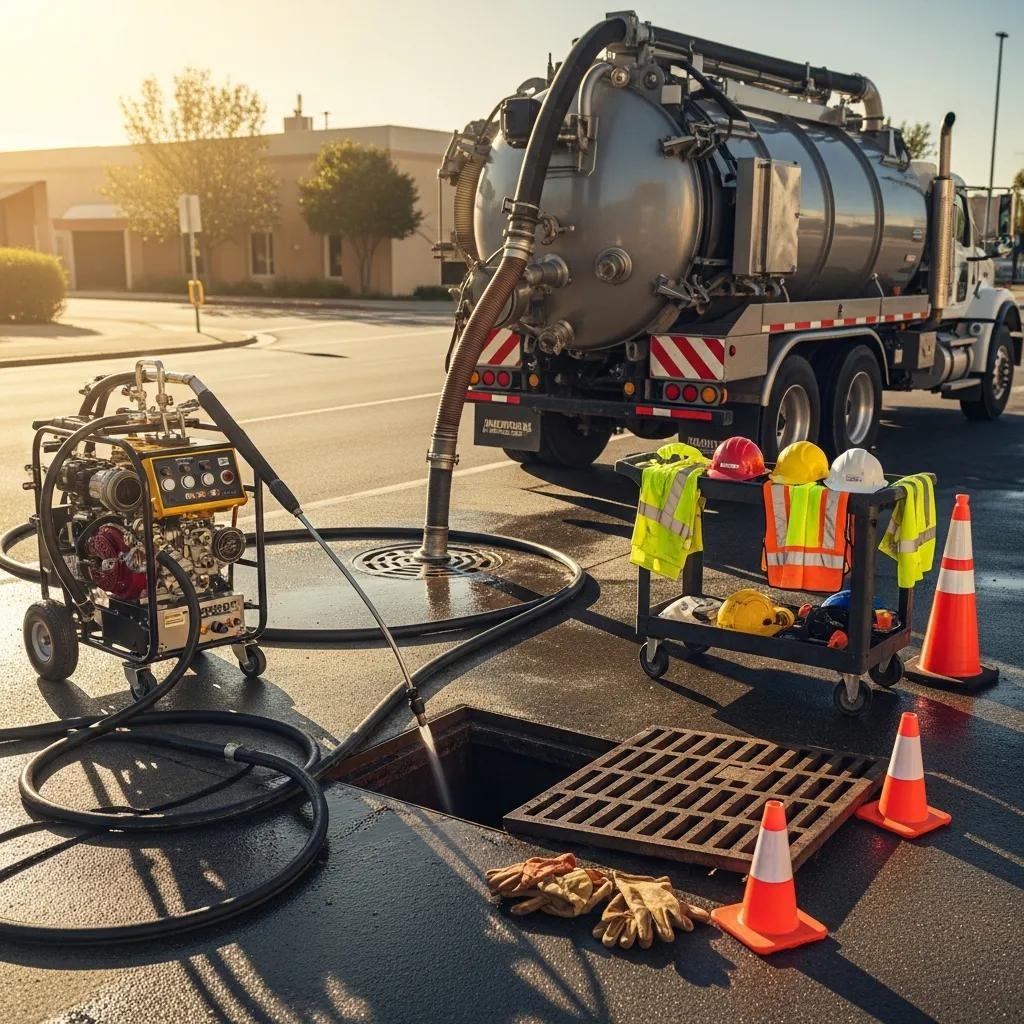
Utilizing the right tools and materials is crucial for effective stormwater drain maintenance. Recommended equipment includes drain cleaning machines, safety gear, and biodegradable cleaning agents. These tools not only enhance the efficiency of maintenance efforts but also promote environmentally friendly practices.
Several types of equipment can aid in the safe removal of debris from stormwater drains. High-pressure water jets, vacuum trucks, and manual tools like rakes and shovels are commonly used. Each piece of equipment serves a specific purpose, ensuring that maintenance is thorough and effective while minimizing the risk of injury.
Materials such as geotextiles, sediment traps, and permeable pavements can enhance the long-term protection of stormwater drains. These materials help filter out debris and pollutants before they enter the drainage system, reducing the likelihood of blockages. Investing in these materials can lead to more sustainable drainage solutions.
Further research highlights the importance of developing cost-effective and implementable systems for controlling stormwater sediment and contaminants.
Stormwater Sediment & Contaminant Control Systems
ABSTRACT: Alternative design options for integrated storm water and sediment control systems were developed and evaluated for Outfalls 008, 011 and 015 of the Paducah Gaseous Diffusion Plant. The remedial options were required to be cost effective and implementable in a relatively short timeframe. Additionally, construction activities were to minimize earth disturbance, especially with respect to excavation. The current database for storm water and effluent sediment oncentration was assessed for the three outfalls. It was concluded that there was a significant lack of data and recommendations for monitoring equipment were provided to initiate a comprehensive surface water and sediment data acquisition system. Modeling was completed for current conditions. Peak flow, runoff volume, peak sediment concentration and storm sediment load were modeled for storm events, ranging from 0.5 inches (12.7mm) to 3.0 inches (6.2mm).
Development and Design of Cost-Effective, Real-Time Implementable Sediment and Contaminant Release Controls, 2007
Community and municipal involvement is vital for effective stormwater drain management. Local governments often have specific responsibilities regarding maintenance and infrastructure development, while community engagement can enhance awareness and participation in prevention efforts.
Municipalities are responsible for maintaining public stormwater drainage systems, which includes regular inspections, cleaning, and repairs. They also play a crucial role in educating the public about proper waste disposal and the importance of keeping drains clear. Effective municipal programs can significantly improve the overall health of local drainage systems.
Community involvement can greatly enhance stormwater runoff management through initiatives such as clean-up events and educational programs. Engaging residents in maintenance efforts fosters a sense of ownership and responsibility for local drainage systems. Successful community programs have demonstrated that collective action can lead to significant improvements in stormwater management.
Emerging technologies in stormwater management are revolutionizing how communities address drainage issues. Innovations such as smart monitoring systems and advanced filtration techniques are enhancing the efficiency and effectiveness of stormwater management practices.
New technologies, including real-time monitoring systems, allow for proactive management of stormwater drains. These systems can detect blockages and alert maintenance teams before issues escalate. By integrating technology into drainage management, communities can improve response times and reduce the risk of flooding.
Smart monitoring systems offer numerous benefits, including improved data collection and analysis for better decision-making. These systems can help municipalities optimize maintenance schedules and allocate resources more effectively. Additionally, they provide valuable insights into stormwater patterns, aiding in long-term planning and infrastructure development.

When considering the installation of a heat pump hot water system in your Brisbane home, one question that often surfaces is: Are these systems noisy? It's a valid concern for homeowners and one that Mitchell Plumbing and Gas takes seriously, as the comfort of your home environment is paramount. In this article, we'll explore the noise levels of heat pump hot water systems, factors that influence these levels, and how they compare to traditional water heating solutions.

If you're like most people, you probably don't think too much about your toilet.

Gas bayonet fittings are an essential part of any home that uses gas appliances. Proper installation is crucial to ensure the safety and efficiency of these fittings. In this article, we will guide you through the process of installing a gas bayonet fitting correctly to avoid any potential risks or safety concerns.
Get a Quote


.svg)
