


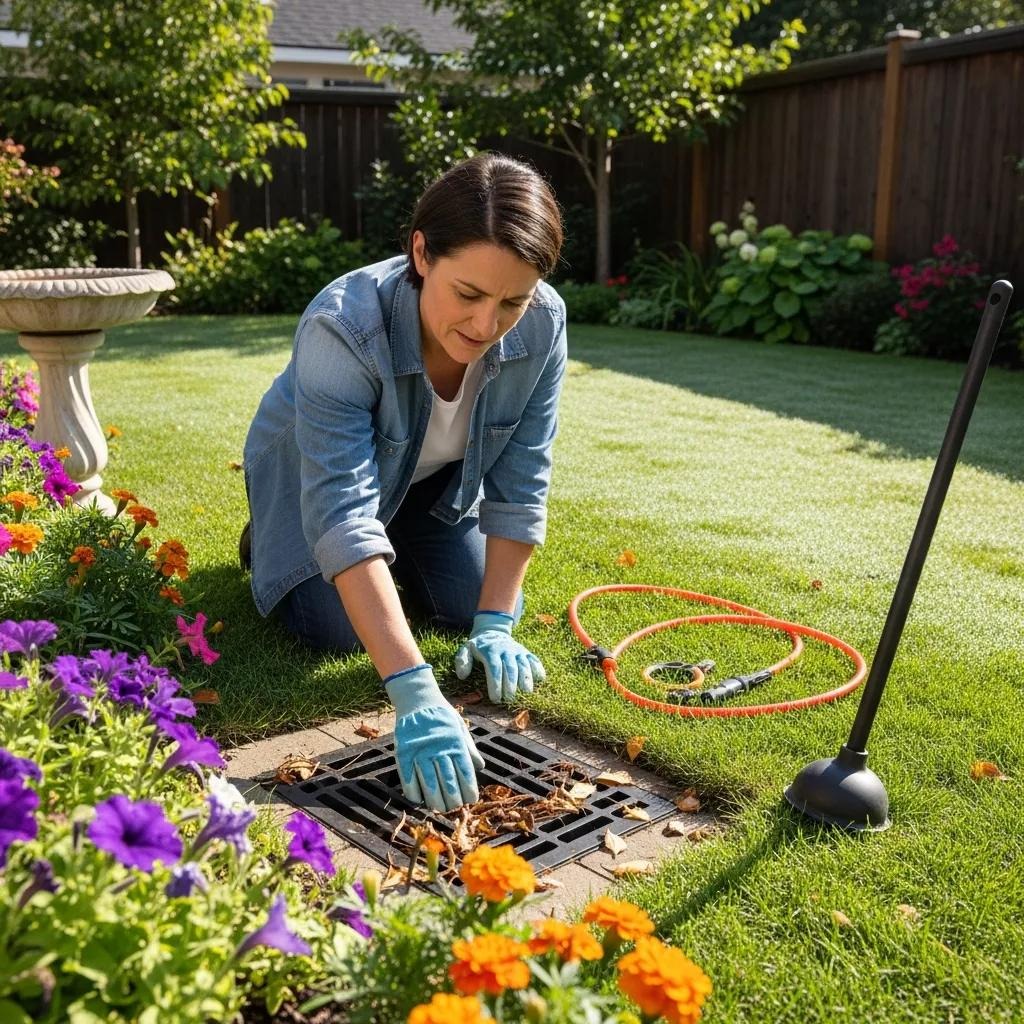
Maintaining clear stormwater drains is crucial for preventing flooding and water damage in your home. Blocked drains can lead to a host of problems, including property damage and health hazards. This article provides practical tips on how to effectively unblock your stormwater drain, whether you choose to tackle the issue yourself or call in a professional. You will learn to identify the signs of a blockage, understand the causes, and explore both DIY methods and professional solutions. Additionally, we will cover preventative maintenance tips to keep your drains clear in the future.
Indeed, preventing blockages is a primary concern to avoid the accumulation of waste and subsequent issues like flooding and pest infestations.
Prevent Storm Drain Blockages & Flooding from Waste
focusing on actions to prevent and mitigate problems related to The problems of poor drainage and flooding of domestic waste accumulates in drains, and blocked drains create insect
Drainage and stormwater management strategies for low-income urban communities, 2003
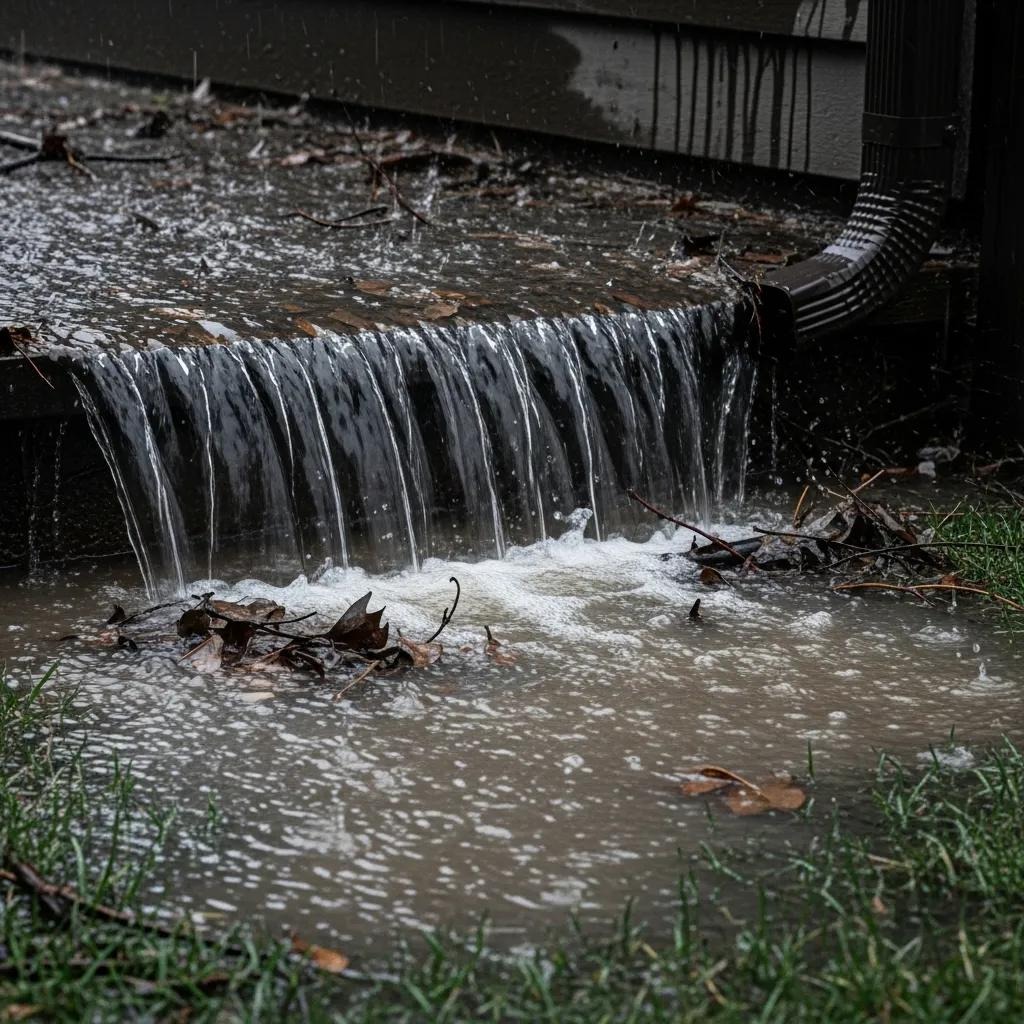
Identifying the signs of a blocked stormwater drain early can save you from more significant issues down the line. Common symptoms include overflowing gutters, pooling water in your yard, and unpleasant odors emanating from the drain. Recognizing these signs promptly allows for timely intervention, preventing further complications.
Overflowing gutters and pooling water are clear indicators of a blocked stormwater drain. Check for water spilling over the edges of your gutters during rainstorms, as this suggests that the drainage system is unable to handle the volume of water. Additionally, stagnant water in your yard can indicate that the drain is not functioning correctly, leading to potential flooding and property damage.
Unpleasant odors and slow drainage are also significant signs of a blockage. Foul smells can arise from stagnant water or decomposing debris trapped in the drain. If you notice that water is draining slowly from outdoor drains, it may be time to investigate further, as this can indicate a buildup of materials obstructing the flow.
Understanding the causes of stormwater drain blockages is essential for effective prevention and resolution. Common culprits include tree roots, natural debris, and foreign objects that can obstruct the flow of water. By recognizing these factors, homeowners can take proactive measures to mitigate the risk of blockages.
Tree roots can infiltrate drainage systems in search of moisture, leading to significant blockages. As roots grow, they can crack pipes and create obstructions that prevent water from flowing freely. Additionally, natural debris such as leaves, twigs, and dirt can accumulate in drains, especially during heavy rainfall, exacerbating the blockage issue.
Broken pipes and foreign objects also contribute to drainage problems. Cracks in pipes can allow soil and debris to enter the drainage system, while items like plastic, toys, or other waste can create immediate blockages. Regular inspections can help identify these issues before they escalate into more severe problems.

If you prefer a hands-on approach, several DIY methods can help you unblock your stormwater drain effectively. These methods are often straightforward and can save you time and money compared to hiring a professional.
Using a plunger and drain snake can be effective for clearing minor blockages. Start by using the plunger to create suction in the drain, which can dislodge debris. If this does not work, a drain snake can be inserted into the drain to break up or retrieve the blockage. Ensure you follow safety precautions, such as wearing gloves and goggles, to protect yourself during the process.
For minor clogs, a mixture of baking soda and vinegar can be an effective natural solution. Pour half a cup of baking soda followed by half a cup of vinegar down the drain. Allow the mixture to sit for about 30 minutes before flushing it with hot water. This method can help dissolve minor blockages and eliminate odors.
This natural approach is a widely recognized home remedy for tackling minor drain obstructions.
DIY Stormwater Drain Unclogging with Baking Soda & Vinegar
Unclog a drain Pour a handful of baking soda down the drain and add a 1/2 cup of vinegar. Then rinse with cold water. (If drain is clogged, use up to a cup of both baking soda and
The Dynamic Duo: Vinegar and Baking Soda Two-Volume Set, 2016
While DIY methods can be effective, there are times when professional assistance is necessary. Knowing when to call a professional can save you from further complications and ensure that the issue is resolved correctly.
If you experience persistent blockages despite your efforts, it may be time to call in a professional. Signs that indicate the need for hydro-jetting or CCTV inspection include frequent backups, slow drainage, and the presence of foul odors. These methods can provide a thorough examination of your drainage system and effectively clear stubborn blockages.
Professionals have specialized tools and techniques to address complex issues like tree root intrusion and pipe damage. Hydro-jetting uses high-pressure water to clear blockages, while CCTV inspections allow for a detailed view of the drainage system's condition. These methods ensure that any underlying issues are identified and resolved effectively.
Specialized professional services, such as hydro-jetting and root removal, are crucial for addressing severe and persistent blockages in storm sewers.
Professional Storm Drain Clearing: Hydro Jetting & Root Removal
The storm sewer is generally used for draining the rainwater, In case, the sewers failed by clogged sewer, hydro jetting or tasks such as cutting tree root and tree branches, removing
Development of Compact In-Pipe Robot with Multi-DOF Cutting Tool and Expandable Stabilizer
Preventative maintenance is key to avoiding future blockages in your stormwater drains. Regular upkeep can save you time and money in the long run by keeping your drainage system functioning properly.
Regular gutter cleaning and proper management of drain grates can significantly reduce the risk of blockages. Ensure that gutters are free of leaves and debris, and check that drain grates are clear to allow for proper water flow. Establishing a routine cleaning schedule can help maintain the efficiency of your drainage system.
Seasonal maintenance schedules can vary based on your region's climate. In areas with heavy rainfall, more frequent inspections and cleanings may be necessary, especially during the rainy season. Conversely, regions with less rainfall may require less frequent maintenance. Tailoring your maintenance schedule to your local conditions can help keep your stormwater drains clear year-round.
By following these tips and understanding the signs and causes of stormwater drain blockages, you can effectively manage your drainage system. Whether you choose to tackle minor issues yourself or seek professional help for more complex problems, maintaining clear drains is essential for protecting your property and ensuring proper water management.

Heat pump hot water systems transfer heat from the air and can use less electricity than conventional resistance water heaters. Compare suitable models using local conditions, household demand, controls, booster use, noise and current energy tariffs. Check incentive eligibility for the exact product and installation.

Running toilets waste significant water daily—minor leaks (1-2 gallons), moderate leaks (3-6 gallons), and major leaks (7+ gallons)—directly increasing water bills. Households fixing these issues report 15-45% savings on monthly bills, with regular maintenance of flappers and valves preventing costly problems.

Traditional toilets waste over 30% of household water, while eco-friendly alternatives significantly reduce consumption through innovative technologies like dual-flush systems, composting capabilities, and smart controls. Case studies show families achieving up to 40% reduction in monthly water bills after installation, with many models using just 1.28 gallons per flush compared to 3.5 gallons in older fixtures.
Get a Quote


